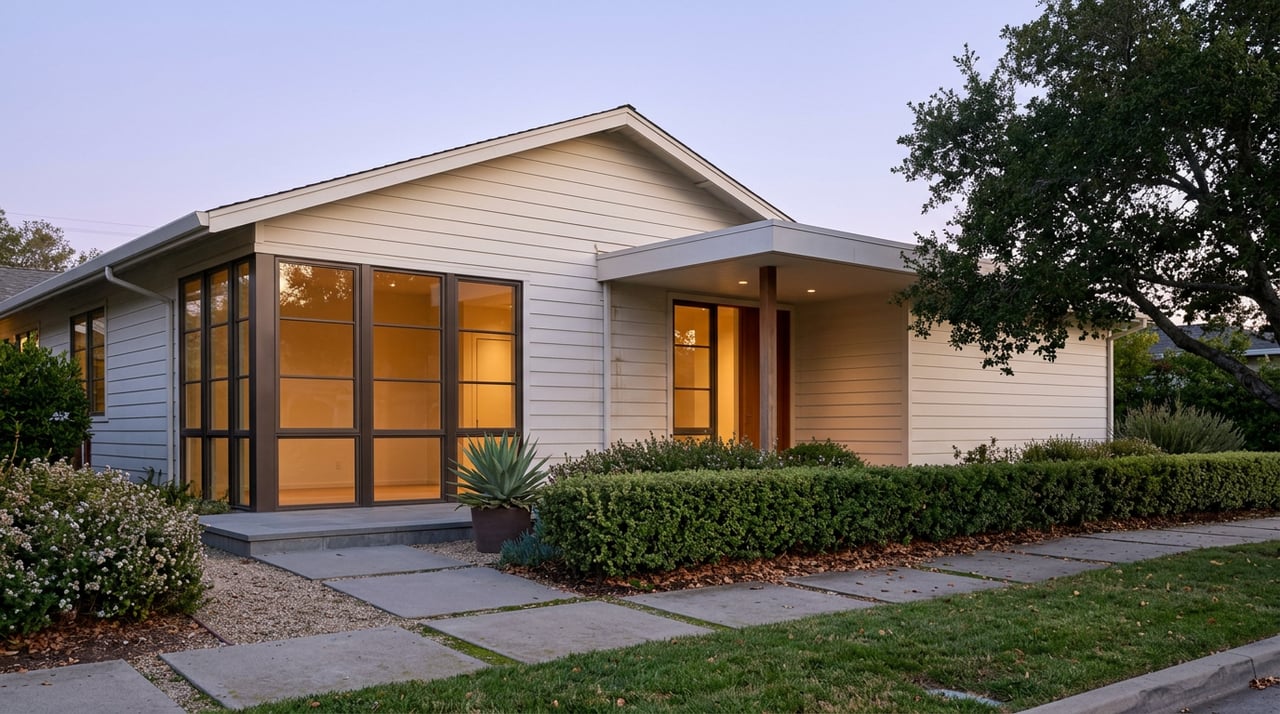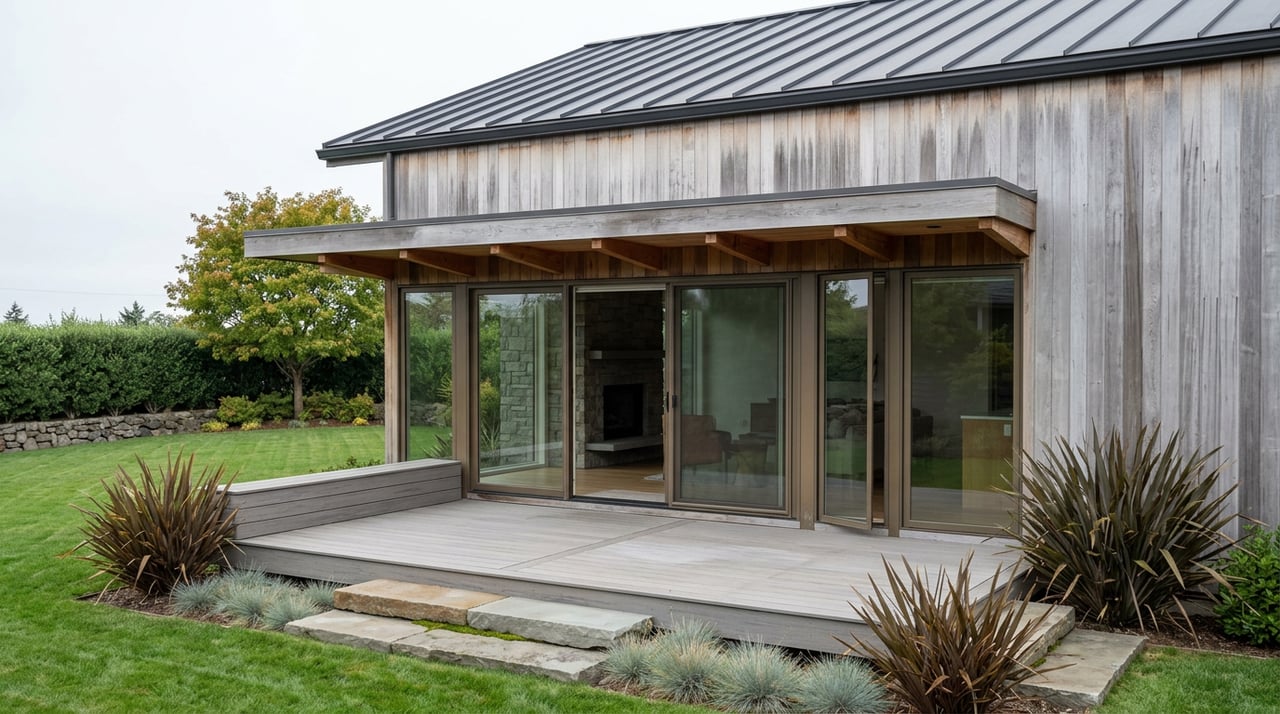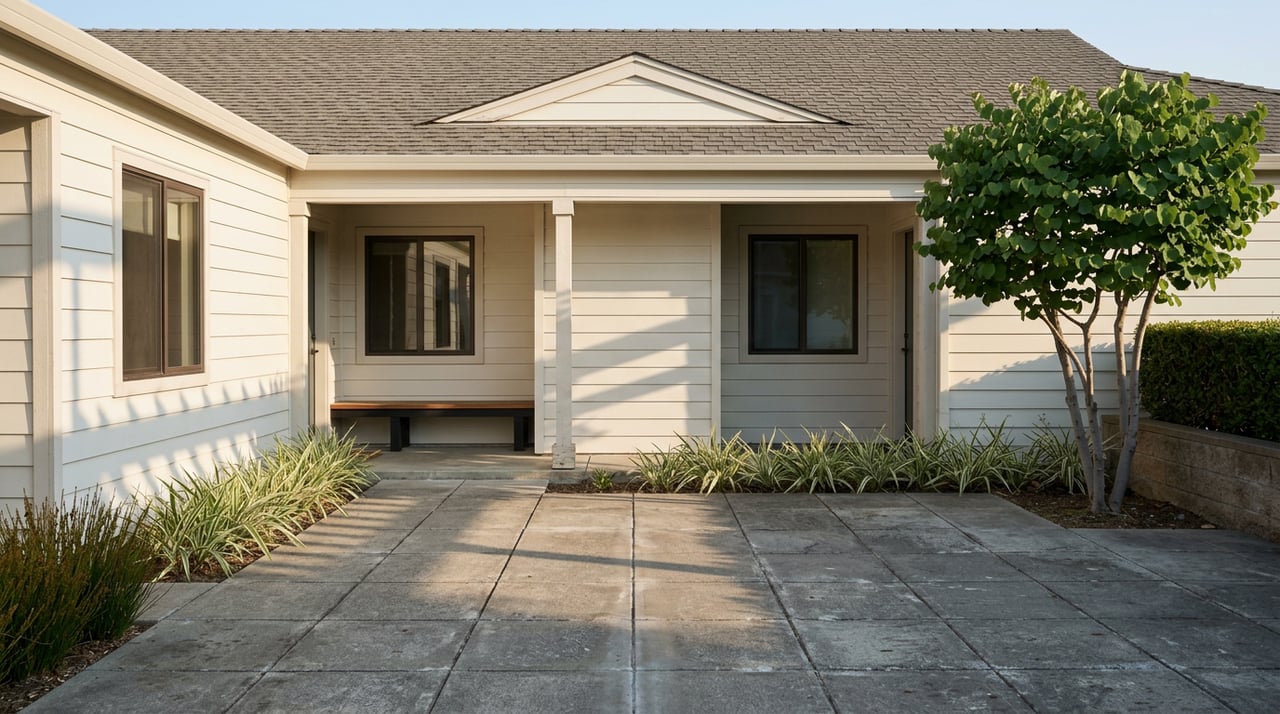
Picture two people scrolling MLS listings in Foster City on the same June morning. One is watching a detached three-bedroom near Sea Cloud Park, refreshing the page because she suspects it will draw multiple offers before the first open house even wraps. The other is touring a condo in The Islands, Foster City's cluster of townhomes and condominiums built around Central Lake, and has already been told by three different sellers that there's no rush to decide. Both are shopping in the same zip code, both will eventually read the same headline median price on a portal, and both are, in practical terms, standing in two different markets.
That split is the story the median hides. Every third-party source pins Foster City to a single number this summer. None of them tell you that the number is an average of a tight, competitive single-family segment and a much slower, better-supplied attached-home segment, and that treating them as one market will lead a buyer or seller to the wrong strategy.
One Number, Two Markets
Citywide figures circulating on real estate portals this spring put Foster City's overall home value in the high $1.8 million range as of March 2026, and separately reported a median sale price near $1.6 million over the three months ending in April 2026, up 8.1 percent year over year, with homes fielding about three offers on average and selling in roughly two weeks. Those numbers are real, but they blend two products that behave nothing alike.
The clearer picture comes from MLSListings, the multiple listing service used by Silicon Valley agents, in its market snapshot for Foster City covering June 2026:
| Metric | Single-Family Homes | Condos & Townhomes |
|---|---|---|
| Active Listings | 10 | 28 |
| Closed Sales | 7 | 10 |
| Median Sale Price | $2,161,250 | $1,227,500 |
| Median Days on Market | 14 | 19 |
| Average Days on Market | 28 | 31 |
Ten active single-family listings against nearly three times that many attached-home listings, in the same city, in the same month. That gap is the real headline, and it does not survive being averaged into one median. The single-family segment also carried a 103 percent sale-to-list ratio and 1.9 months of inventory that month, figures the condo and townhome segment did not come close to matching.
What 1.9 Months of Inventory Actually Buys You
Months of inventory measures how long it would take to sell everything currently listed at the current pace of sales. At 1.9 months, Foster City's single-family segment is telling buyers that if no new listings appeared, the entire detached-home supply would sell out in under two months. Combine that with a 103 percent sale-to-list ratio and a 14-day median time on market, and the picture is unambiguous: sellers of detached homes here are getting offers above their asking price, and buyers are closing fast because they have to.
For the move-up family comparing Foster City to a similar Peninsula city, this matters more than the citywide median ever will. If you are shopping strictly in the single-family segment, near-list-price offers and short inspection windows are not aggressive tactics. They are what it takes to compete in a market with ten homes for sale.
The Condo Number That Doesn't Add Up
The attached-home side tells a stranger story, and it's worth sitting with the strangeness rather than smoothing it over.
In that same June 2026 MLSListings snapshot, the average sale price for condos and townhomes came in at $1,162,849, lower than the median of $1,227,500. When the average sits below the median in a housing dataset, it usually means a below-market outlier pulled the number down, the opposite of the pattern most buyers expect from a handful of luxury sales pulling averages up. With only ten condo closings recorded that month, one unusually discounted sale is enough to do it.
Zoom out to the full second quarter of 2026 and the volatility gets louder. PropertyShark's quarterly data shows Foster City condos closing at a median of $936,000, down 33.3 percent year over year, while single-family homes closed at a median of $2 million, down a much more modest 6.7 percent, in the same three months. Line that up against the MLSListings figure for just the month of June, a condo median of $1,227,500, and you have two credible sources describing the same segment roughly $290,000 apart within the same quarter.
That is not a market correcting itself in real time. That is what happens when a segment sees roughly ten sales in a typical month. A run of smaller one-bedroom units closing back to back will drag a median down hard. A single large waterfront townhome closing the following month will yank it back up. Neither move tells you anything about what a comparable unit is actually worth today. The single-family segment, moving through seven closings a month at a steadier price band, simply doesn't swing this way.
The lesson for anyone using Foster City's median price to judge a specific offer: in a market this size, the median is noisier than the deal in front of you.
Comparing Foster City to San Mateo or Redwood City
San Mateo County's overall median sale price sat at $1.7 million in the second quarter of 2026, nearly identical to Foster City's citywide figure for the same period. On the surface, that reads as parity. It isn't, once you separate the products. Foster City's detached-home buyers are competing in a genuinely tight market with inventory measured in weeks. Its condo buyers are shopping a segment with triple the listings and a median that has moved by six figures within a single quarter depending on what happened to close.
If you're cross-shopping Foster City against a neighboring Peninsula city and only comparing the one citywide number each portal publishes, you're comparing two blended averages without knowing what's inside either blend. The useful comparison is segment to segment: single-family months of inventory against single-family months of inventory, condo days on market against condo days on market. Anything else is comparing noise to noise.
What This Means for Your Specific Transaction
If you're buying a single-family home here, expect competition and price it accordingly. A 103 percent sale-to-list ratio means the list price is a starting point, not a ceiling, and 1.9 months of inventory means waiting for more choices could mean waiting through an entire selling season with little relief.
If you're selling a condo or townhome, the math runs the other way. Twenty-eight active listings against roughly ten monthly closings means buyers have real alternatives, and a 19-day median time on market, wider than the single-family segment's 14 days, means pricing and presentation carry more weight than they would in the detached-home market next door.
If you're buying a condo, this is where the actual negotiating room in Foster City's market currently sits. A segment with this much supply relative to sales volume is not a segment where buyers need to stretch.
If you're selling a single-family home, the current numbers favor a confident list price close to recent comparable sales rather than an aggressive discount to move quickly. The segment is already moving quickly on its own.
Frequently Asked Questions
Is Foster City a buyer's market or a seller's market right now? Both, depending on what you're buying. As of June 2026, the single-family segment favors sellers, with homes selling above list price in a median of 14 days against 1.9 months of inventory. The condo and townhome segment, with 28 active listings against roughly ten monthly closings, gives buyers more room to negotiate and more time to decide.
Why did the reported condo median drop so sharply if the market hasn't actually cooled that much? Small monthly and quarterly sale counts make medians volatile. With around ten condo closings in a typical month, the specific mix of units that happen to close, whether that's a run of smaller condos or a couple of large waterfront townhomes, can move the reported median by hundreds of thousands of dollars without reflecting any real shift in what a comparable unit would sell for.
Foster City's numbers this summer reward the buyer or seller who reads past the one figure everyone else is quoting. If you're weighing a specific single-family home or condo here and want a read on how these segment-level dynamics apply to your situation, Julie Flouty can walk through the current inventory and comparable sales for your exact property type. Let's Connect.