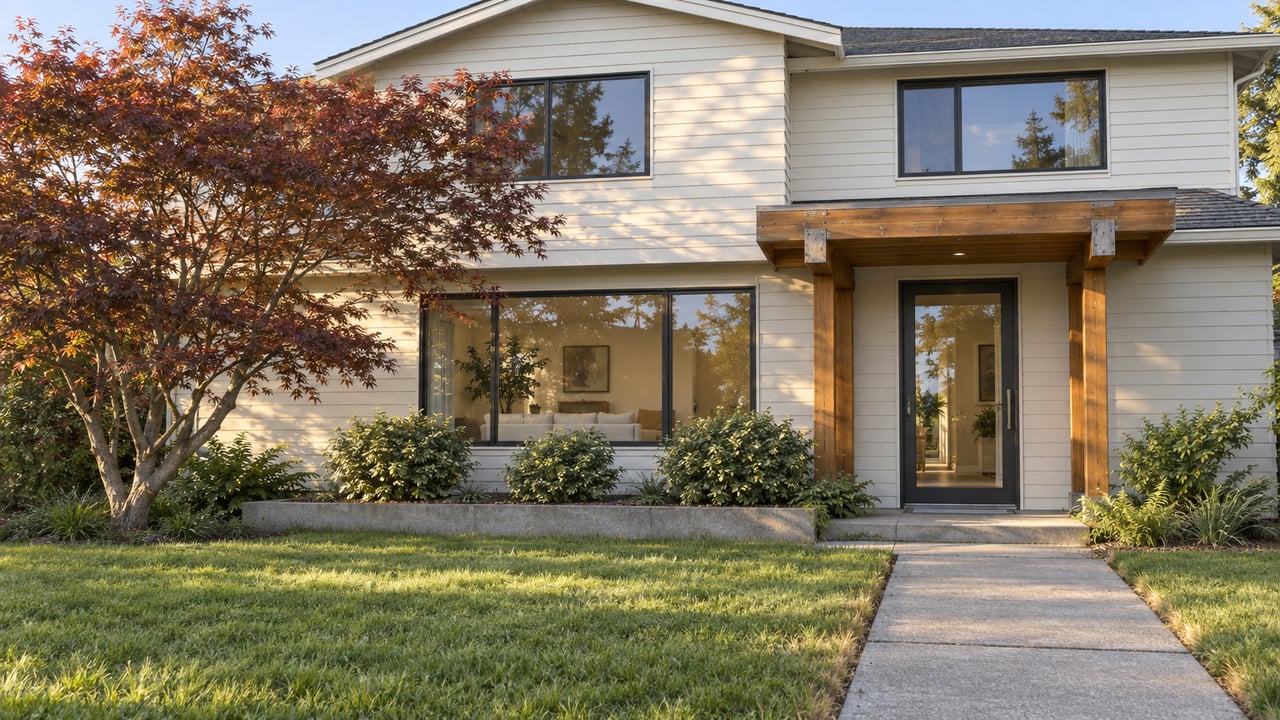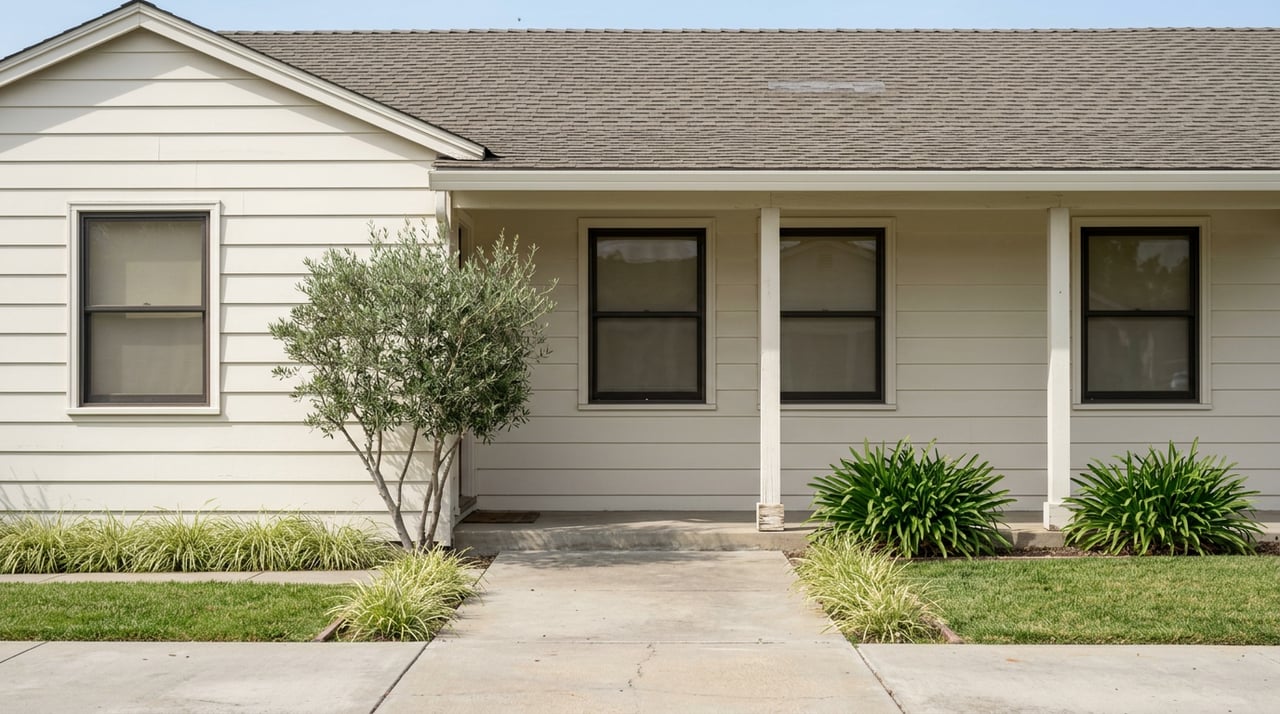
What does the word "detached" actually guarantee you when you buy a house? Most Peninsula buyers assume it means no shared walls, no monthly association bill, and no one telling you what color to paint the trim. In San Mateo or Redwood City, that assumption mostly holds. In Foster City, it doesn't, and the moment buyers usually discover this is mid-escrow, reading a disclosure packet that mentions an association they never budgeted for.
Foster City was built as nine planned neighborhoods, and every one of them still carries governance that a comparable detached home in a neighboring city simply does not have. Some of it costs money every month. All of it constrains what you can do to the outside of your house after you own it. None of it shows up in the median price you see on a portal search.
The Sentence Buyers Skip in the Disclosure Packet
Foster City's Community Development Department maintains something most Peninsula cities do not: a public page of homeowners association prototypes, organized by neighborhood. A prototype, in this context, is a set of city-filed approved elevations, rooflines, and exterior finishes tied to a specific tract. It exists so that when a homeowner in that tract wants to remodel the front of the house, add a second story, or change the color scheme, there is already a template on file for what the city will and won't approve.
The list runs through Plum Island, Promontory Point, Sand Harbour North, Sea Colony, Shell Cove, South Harbour South, Spinnaker Cove, Treasure Isle, Treasure Isle Birds, Whalers Island, Williams Landing, Winston Square, Winston Village, Mariners Point, Nantucket Cove, and Isle Cove. That is not a list of condo complexes. Those are the detached single-family tracts that make up most of the city's original housing stock.
A prototype filing predates most current owners by decades. Treasure Isle's neighborhood dates to 1971. The rules on file for it were written before the current owner, and often the one before that, ever saw the house.
For a buyer coming from a standard subdivision in San Mateo, this is not a formality to skim past. It is a second layer of approval that sits on top of whatever the city's general building code allows, tied specifically to which of the nine original neighborhoods the house happens to sit in.
Nine Neighborhoods, Nine Rulebooks
This matters because it means "Foster City single-family home" is not one product. It is at least nine, each with its own filed constraints on what the exterior can look like. A buyer comparing a Foster City listing to one in Redwood City is not comparing two houses under the same set of exterior rules. They're comparing a house with no design-review file to a house that has one, and the file varies by which of the nine neighborhoods you're standing in.
This is separate from, and in addition to, any private homeowners association dues that may also apply.
The Second Layer: Some of These Neighborhoods Also Charge Dues
On top of the city's design-review file, a number of Foster City's original neighborhoods are also governed by their own homeowners associations, complete with recorded CC&Rs, boards, and monthly assessments. A few of the associations tied to these older tracts, with public unit counts and build years:
| Neighborhood HOA | Units | Built |
|---|---|---|
| Treasure Isle Homeowners' Association | 155 | 1971 |
| Shell Cove Homeowners Association | 246 | 1973 |
| Harborside Homeowners Association | 218 | 1975 |
| Isle Cove Homeowners Association | 280 | 1977 |
Recent listings for attached Foster City homes show HOA dues running from roughly $527 to $1,072 a month, covering anything from landscaping and common-area insurance to pools, tennis courts, and roof reserves. Single-family homes inside these older, HOA-governed tracts typically carry a separate, usually smaller Master Association fee on top of whatever the neighborhood's design-review file requires, covering shared landscaping or common areas rather than building maintenance. The dollar amount is modest compared to condo dues. The constraint on what you can do to your own exterior is not.
What This Actually Costs, Compared to the City Next Door
Here's where the numbers get interesting, and where the median price starts to lie by omission.
MLSListings' city snapshot for June 2026 shows Foster City single-family homes selling at a median of $2,161,250, down 0.9% year over year, with a median of 14 days on market and homes closing at 103% of list price. Condos and townhomes in the same period sold at a median of $1,227,500, with a longer 19-day median timeline. That is a roughly $933,000 gap between the detached and attached product, and most of that gap is genuinely about land, square footage, and school assignment.
But look at a separate, blended figure from the same window. Data covering the three months ending April 2026 put Foster City's citywide median sale price at $1.6 million, up 8.1% year over year, with the typical home fielding three offers and selling in 14 days. That number sits well below the single-family median and above the condo median, because it blends both property types into one figure. A buyer using that blended number to compare against a San Mateo or Redwood City median is comparing a mixed basket to whatever mix those cities happen to have sold that quarter, not comparing like to like.
This is the part worth sitting with. The median doesn't just hide price variation. It hides governance variation. Two homes can sell at the same price with completely different exterior obligations, one inside a filed prototype and possibly an HOA, one with neither, and the median treats them as identical.
The Insurance Line Nobody Budgets For
There's a related wrinkle that surfaces at the same point in the process, usually when a buyer's lender asks for a master insurance certificate. Most Peninsula HOAs, including a couple in neighboring Redwood Shores, don't include earthquake coverage in their standard dues. The associations that do carry it tend to run noticeably higher, in the $700 to $800 a month range, specifically because that coverage is expensive to insure at scale. Most buyers assume HOA dues are a flat, predictable add-on to their monthly payment. In practice, the dues you're quoted at the open house and the dues you'll actually pay can differ by hundreds of dollars a month depending on what the association's board voted on for insurance, and that vote can change year to year.
Why the City-Wide Median Still Misleads You
Push one layer further and the same pattern repeats inside Foster City itself. Neighborhood-level listing data from 2025 showed Bay Vista, a waterfront neighborhood, as the city's most expensive, with a median listing price around $2 million. Marina Point, by contrast, listed as the city's most affordable single-family entry point, with a median around $844,000 and homes typically taking closer to 44 days to sell. Treasure Isle sat in between, described as a balanced market where homes moved in about 26 days near asking price.
A single citywide median averages across all of that. It averages a waterfront tract with a decades-old design-review file and possibly an active HOA against an inland tract with different rules entirely. Treating "Foster City" as one market, the way a portal search does, erases exactly the information a buyer needs to know before writing an offer: which of the nine original neighborhoods they're actually looking at, and what that neighborhood's specific rulebook requires.
Frequently Asked Questions
Does every Foster City neighborhood have a private HOA with monthly dues? No. Some of the original nine neighborhoods have recorded homeowners associations with dues, and some only have the city's design-review prototype without a separate private association. Which applies depends on which specific neighborhood the home sits in, and that should be confirmed through the seller's HOA disclosure documents before writing an offer.
Where do I find my neighborhood's design prototype before I plan a remodel? Foster City's Community Development Department maintains the prototype records by neighborhood on its own site. Checking the filing for your specific tract before finalizing any exterior remodel plan can save a redesign after the fact.
Why do different sources show different median prices for the same month in Foster City? Some sources blend single-family and attached homes into one citywide figure, while others break the two categories out separately. A blended median will always sit between the single-family number and the condo number, and neither one substitutes for the other when you're comparing what a specific type of home actually costs.
The Takeaway for Anyone Comparing Foster City to the City Next Door
The median price tells you what a house costs. It does not tell you what owning it obligates you to, and in Foster City that obligation is written down, filed by neighborhood, and older than most current listings. If you're weighing a detached home here against one in San Mateo or Redwood City, the conversation worth having isn't just about square footage and school assignment. It's about which of Foster City's nine rulebooks you'd be buying into, and what that means for the exterior of the house five years from now.
If you want a neighborhood-by-neighborhood read on what a specific Foster City listing actually carries in dues, design restrictions, and resale timing, Julie Flouty can walk through the disclosure package with you before you write an offer. Let's Connect.