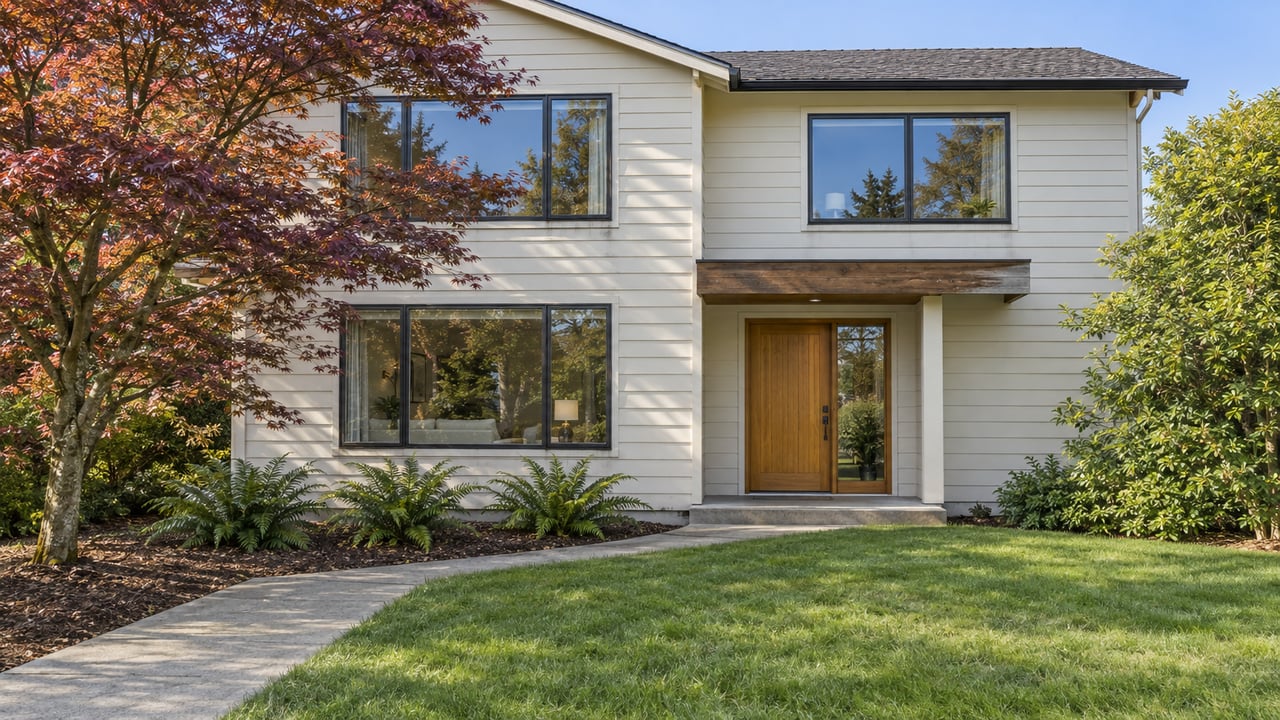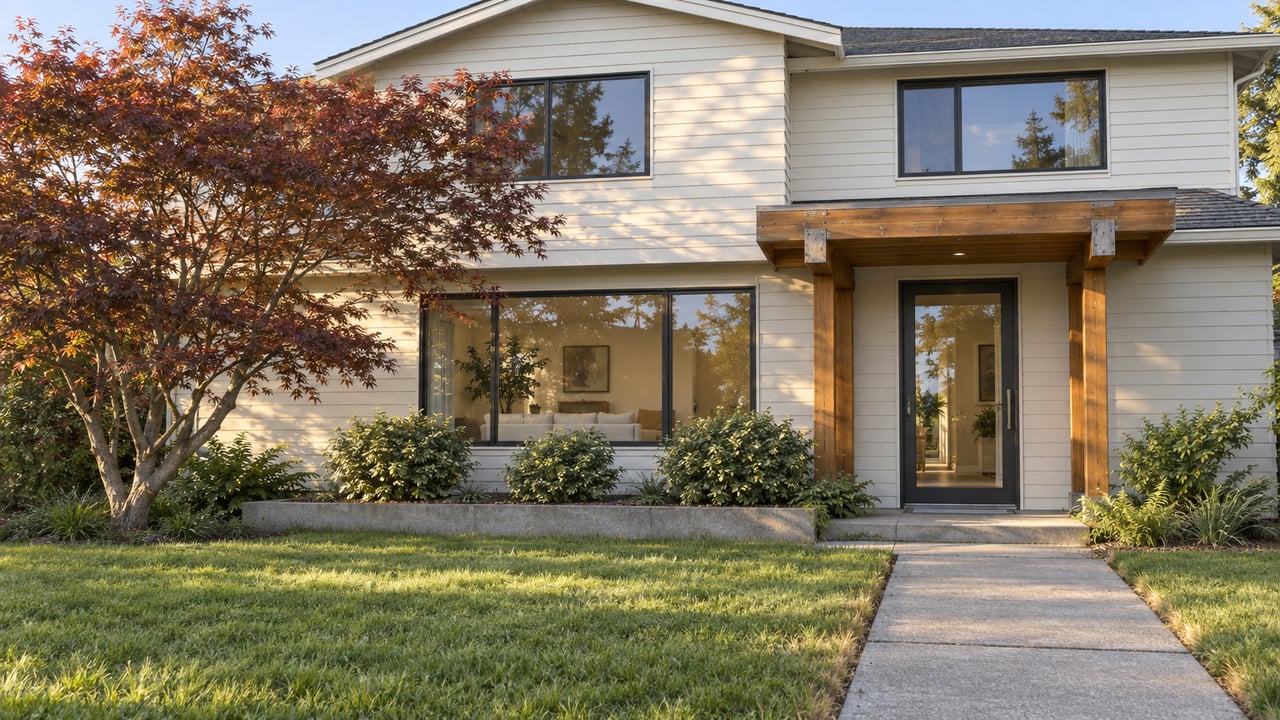
Thinking about right-sizing from a Belmont hillside home but not sure where to start? You are not alone. Many long-time Peninsula owners want less maintenance without giving up light, views, and convenience. In this guide, you will learn how to plan a smooth downsize tailored to Belmont’s hillside neighborhoods, from taxes and permits to HOA due diligence and timing your move. Let’s dive in.
Why downsize in Belmont
Belmont homeowners often hold substantial equity after years of ownership. Local analytics frequently place single-family medians in the low-to-mid millions, which can create strong net proceeds when you sell and buy smaller nearby. Census data confirms that Belmont’s owner-occupied housing values sit well above statewide medians, which supports this equity story for many households. You can review local context in the latest Census QuickFacts for Belmont.
If you plan to stay on the Peninsula, you will balance convenience and cost. Some downsizers choose smaller single-family homes with fewer stairs. Others pick condos or townhomes for simplified maintenance. Your best fit depends on budget, access needs, and whether you want HOA amenities.
Start with a clear financial snapshot
Before you list, pull the numbers that drive decisions. Ask your agent for a current market analysis and confirm your mortgage payoff. Then outline likely selling costs, typical closing fees, and a realistic list-to-sale timeline based on your property and condition.
- Proposition 19 property tax portability. If you are 55 or older, severely disabled, or a qualified disaster victim, you may be able to transfer your factored base-year value to a replacement primary residence anywhere in California. Review eligibility, filing, and timing requirements with the county assessor and your tax advisor. San Mateo County explains the rules and claim steps on its Prop 19 reappraisal exclusion page.
- Capital gains basics. Many sellers qualify for the federal primary-residence exclusion if they meet ownership and use tests. The limits are commonly referenced as up to $250,000 for single filers and up to $500,000 for married filing jointly. Discuss your specifics with a tax professional and review IRS guidance for your situation.
- Transfer taxes. San Mateo County collects a documentary transfer tax at recording. The county rate currently calculates to $0.55 per $500 of the sale price. Some Peninsula cities also charge a municipal tax. Check the property’s city and who typically pays in your deal. See the county’s documentary transfer tax overview for details.
Time your sale and purchase
There is no one right sequence. Pick a plan that fits your finances, comfort level, and the availability of your target homes.
- Sell first, then buy. This gives you clear net proceeds before you purchase, which can simplify financing. It may require temporary housing if the right condo or small home does not appear quickly. A short rent-back, if negotiated, can create breathing room.
- Buy first, then sell. You gain time to shop for a truly accessible unit, but you may need a bridge loan, a HELOC, or the ability to carry two mortgages for a short period. Get lender input early.
- Contingent strategies. Some sellers accept offers contingent on the buyer selling a home, often with a kick-out clause and short timelines. The NAR consumer guide to contingencies explains common terms to understand.
Hillside-specific considerations
Belmont’s hills deliver sunlight, views, and privacy, and they also come with engineering and permit realities. Plan ahead so you are not surprised during inspections or buyer due diligence.
- Seismic and slope context. The Peninsula is seismically active, and some hillside parcels show slope-stability susceptibility. Expect geotechnical reports if you plan major grading or retaining-wall work, and consider retrofit needs. For local hazard background, review the city’s context in this Belmont hazard background report.
- Retaining walls and grading. Retaining walls typically require permits above certain heights or when supporting surcharge. Grading often needs engineered plans and inspections. Plan review can add weeks or months. Check Belmont’s permit guidance and accessibility handouts in the Building Division resource packet and see the city’s retaining wall FAQ on when permits are required.
- Driveway slope and drainage. Ask listing agents and inspectors about driveway grade, stair counts from garage or carport to the main living area, the condition of retaining walls, and the property’s drainage and surface-runoff history. These details matter if you want easier access day to day.
If you are moving to a condo or townhome
HOA living can shift maintenance to the association and reduce personal upkeep. It also introduces shared decision-making and new insurance considerations.
- Financial health. Request the HOA budget, reserve study, meeting minutes, and a history of special assessments. This reveals whether dues match expected long-term repairs.
- Insurance coverage. Many California associations do not include earthquake coverage in the master policy. Ask for the insurance declarations and deductibles. In most condos, you will want an HO-6 policy for interior coverage and a loss-assessment endorsement to help with your share of a deductible or special assessment after a covered event. The Davis-Stirling resource on HO-6 policies and loss assessment explains how this works.
- Accessibility and reasonable modifications. If you need a ramp, grab bars, or other changes due to a disability, you have rights under state and federal fair housing laws. The California Civil Rights Department describes how to request a reasonable accommodation or modification, the interactive process, and common conditions. Review the state’s reasonable modifications guidance before you shop or submit a request.
- Elevators and step-free entries. Not all Peninsula buildings have elevators or step-free access. Confirm whether a specific unit has an elevator, ground-floor entry, accessible parking, and wide common pathways.
Aging-in-place adaptations for multilevel homes
If you prefer to stay in a multilevel home for a few more years, a few targeted updates can improve day-to-day safety and comfort.
- Low-cost updates. Grab bars, hand-held shower wands, lever-style door hardware, better lighting, and low-profile thresholds are common upgrades. Some projects are simple, but if a modification touches structural elements or an HOA common area, permits or approvals may be needed. Review Belmont’s permit handouts in the Building Division packet.
- Stair lifts. Straight-rail models often cost in the low thousands, while curved or outdoor versions can be substantially more. Ask local vendors for quotes and timelines, and check if a permit applies. See a helpful cost overview in this stair lift guide.
- Home elevators. Elevator retrofits span a wide cost range and usually require permits, structural work, and inspections. If you are considering this option, get multiple bids and confirm lead times. This home elevator installation guide outlines common steps and choices.
Financing bridges and senior-focused options
Your financing plan should match your timeline and risk tolerance.
- HELOC or home-equity loan. These can unlock equity for a replacement purchase or pre-sale improvements. Talk with your lender about appraisal, closing timelines, and payoff planning once your home sells.
- Bridge financing. Short-term loans or seconds can help you buy before you sell. Underwriting varies by lender, so obtain quotes early and confirm exit timing.
- Reverse mortgage for purchase or liquidity. For homeowners 62 or older, a Home Equity Conversion Mortgage may help you buy with a lower monthly payment load or tap equity. Review counseling requirements, costs, and estate implications in HUD’s HECM resource.
Your 6-step downsizing checklist
- Step 1 — Financial snapshot. Request a current market valuation, confirm your mortgage payoff, and ask your tax professional about capital-gains exposure and whether Prop 19 tax portability could benefit you. Start a simple net-sheet estimate with your agent.
- Step 2 — Safety and permits. If your home sits on a slope, gather any geotechnical reports and permits for retaining walls, grading, and drainage. Review Belmont’s permit handouts and the retaining wall FAQ so you know what buyers will ask.
- Step 3 — HOA and insurance. For condos or townhomes, request the HOA’s budget and reserve study, minutes, litigation statement, and master policy declarations. Confirm earthquake coverage and deductibles. Plan for an HO-6 and a loss-assessment endorsement using the Davis-Stirling overview.
- Step 4 — Accessibility verification. Confirm step-free entries, elevator access, parking, and width of common pathways. If you anticipate requesting changes, read the state’s reasonable modifications guidance so you understand the process.
- Step 5 — Timing and offer strategy. Decide sell-first versus buy-first with your agent and lender. If you consider a contingent approach, review the NAR guide to contingencies so you can structure terms that match your risk tolerance.
- Step 6 — Moving help. Interview moving companies early and consider a senior move manager to coordinate sorting, donations, and packing. You can search accredited providers on the NASMM directory.
Local taxes and filings to prepare
- Documentary transfer tax. Budget for San Mateo County’s transfer tax at closing and verify if your city charges an additional amount. The county outlines calculations on its transfer tax page.
- Prop 19 claim timing. If you plan to transfer your assessed value, note the filing deadlines, occupancy requirements, and the number of eligible transfers. Start with the county’s Prop 19 guidance and have your agent and tax advisor coordinate the timeline.
Make the process simpler
Downsizing on the Peninsula is part market knowledge, part logistics, and part paperwork. You can make it easier with a clear plan: confirm your numbers, anticipate hillside and permit questions, complete HOA due diligence, and choose a purchase strategy that fits your comfort level. A local, process-driven approach reduces stress and helps you land the right next home with confidence.
If you are ready to start, connect with a trusted local advisor who understands Belmont’s hillside homes, HOA tradeoffs, and the details of senior-focused moves. Reach out to Julie Flouty to map your timeline, coordinate vendors, and approach the market with a clear plan.
FAQs
What is Prop 19 tax portability for San Mateo County downsizers?
- Homeowners 55 or older, severely disabled, or qualified disaster victims may transfer a factored base-year assessed value to a replacement primary residence in California if filing, timing, and value rules are met; see the county’s Prop 19 guidance and consult your tax advisor.
Which transfer taxes apply when selling a Belmont home?
- San Mateo County charges a documentary transfer tax calculated at $0.55 per $500 of sale price, and some cities add their own tax; confirm your city’s rules and who pays using the county’s transfer tax overview.
What should I review in HOA documents for a Belmont condo or townhome?
- Request the budget, reserve study, meeting minutes, litigation statement, and master insurance declarations; confirm earthquake coverage and consider an HO-6 with loss-assessment coverage, as outlined by Davis-Stirling.
Do Belmont hillside retaining wall repairs require permits?
- Often yes. Retaining walls above common thresholds or supporting surcharge typically require permits and sometimes engineered plans; start with the city’s retaining wall FAQ and building handouts.
How does earthquake insurance work for condo owners on the Peninsula?
- Many HOAs do not include earthquake in the master policy; unit owners often buy an HO-6 and may add a loss-assessment endorsement and standalone earthquake coverage after reviewing the HOA’s insurance declarations and deductibles, per Davis-Stirling guidance.
What is a reverse mortgage and can it help me buy my next home?
- A Home Equity Conversion Mortgage for homeowners 62 or older can provide purchase or liquidity options with required counseling and specific costs; review HUD’s HECM resource and speak with your lender to see if it fits your goals.