A neighbor out for an evening walk along the path near Marlin Park stops because someone at the water's edge is fighting something heavy on the end of a rod. The rod bends hard. The reel screams. A crowd of dog walkers and stroller-pushers gathers to watch, half expecting the whole thing to end in a laugh, because this is a residential canal behind people's backyards, not a fishing hole.
Then a striped bass the length of a toddler's arm breaks the surface, and the crowd goes quiet.
If you've lived in Foster City for any length of time, you've probably seen a version of this scene and assumed it was a fluke, or a stocked pond trick, or someone's imported catch being staged for a photo. It isn't. The lagoon running behind your house is genuine saltwater, connected to San Francisco Bay, and it holds real gamefish. Most residents never learn this, because nothing about the calm, flat water suggests it.
The Lagoon Runs on Real Bay Water, Not a Recirculating Pond
Foster City's lagoon system is often described the way a golf course water hazard gets described, as a scenic backdrop that happens to hold water. That description misses the mechanics. The lagoon is an engineered system, roughly 218 acres, with an average depth of about six feet, and the water in it is brackish saltwater pulled directly from San Francisco Bay through automated intake gates and a pump station that keeps it circulating.
That circulation matters more than it sounds like it should. A closed decorative pond stagnates and supports whatever gets stocked into it. A tidal system connected to the Bay behaves like a small extension of the Bay itself, because that's exactly what it is. According to the city's own guidance on water activities, non-commercial fishing is allowed throughout the lagoon, and the water supports a genuine population of baitfish and halibut, not because the city stocked it for appearances, but because the Bay connection lets real saltwater species move in and stay.
What's Actually Under the Surface
The species list reads like a Bay fishing report, because functionally that's what it is. Anglers working the lagoon's edges regularly pull striped bass and California halibut, and the water also holds leopard shark and bat ray, both of which show up often enough that longtime residents stop being surprised by them.
This is the part that separates Foster City from other master-planned communities built around water features. A lot of suburban developments have a "lake" that's really a retention basin with some largemouth bass someone dropped in decades ago. Foster City's lagoon is tidal. It rises and falls with the Bay. The fish in it aren't decorative and they aren't stocked in the traditional sense. They're Bay fish that swim in through the same gates that keep the water clean.
Where Residents Actually Cast a Line
You don't need a boat, a dock, or even a fishing background to try this. Shore access exists at several points around the lagoon, and locals tend to gravitate toward the same handful of spots:
- Gull Park and Marlin Park, both with sandy beach access directly to the water
- Erckenbrack Park, another shoreline spot with open lawn down to the water's edge
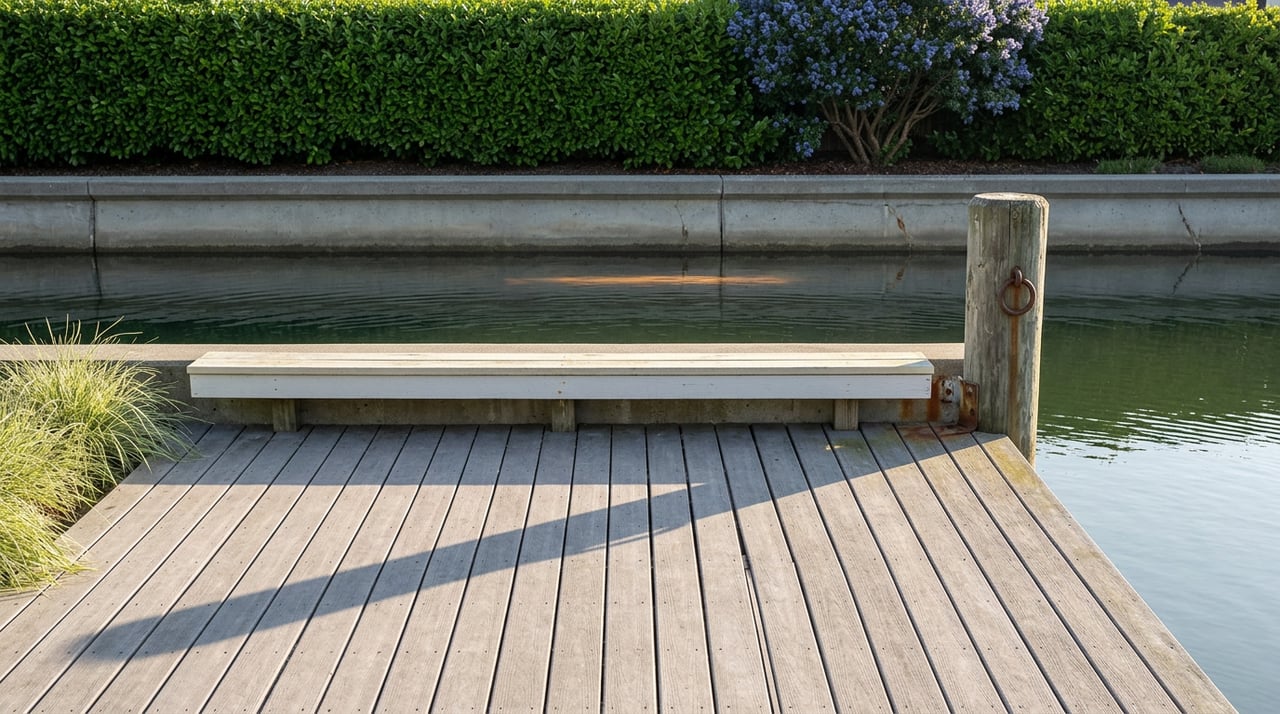
- The floating docks along the waterfront at Leo J. Ryan Park, which put you closer to deeper channel water than the beach spots do
None of these require a permit to stand on and fish from. They're public shoreline, the same stretches where people already walk their dogs or push a stroller after dinner. The only difference is whether you brought a rod.
The Paperwork Part
California requires a standard sport fishing license for anyone 16 or older, and the lagoon's rules are otherwise straightforward: fishing is allowed, but it's non-commercial only. That's it. There's no separate Foster City fishing permit layered on top of the state license, and no closed season specific to the lagoon that residents need to track beyond whatever the state sets for the species they're after. If you already have a California fishing license for a weekend trip to the coast, it covers you here too.
The Real Snag Isn't the Fish
Here's the part that doesn't show up on any city page or tourism guide. The hardest part of fishing Foster City's lagoon isn't finding something to catch. It's landing it once you have.
The same automated intake gates that keep Bay water flowing through the lagoon are built with screens to control what comes in and out. Anglers who've fished the lagoon for years have reported hooking striped bass big enough that they couldn't be pulled back out through those screens, meaning the largest fish in local lore aren't the ones that got away out in open water. They're the ones that got away right at the gate, close enough to see and too large to bring home.
It's an odd kind of local knowledge to carry around. Most fishing spots have currents, weather, or crowds working against you. Here, the obstacle is a piece of civil infrastructure designed to keep the water clean, and it happens to double as a size limit nobody wrote down anywhere.
What This Says About the Water Behind Your Own House
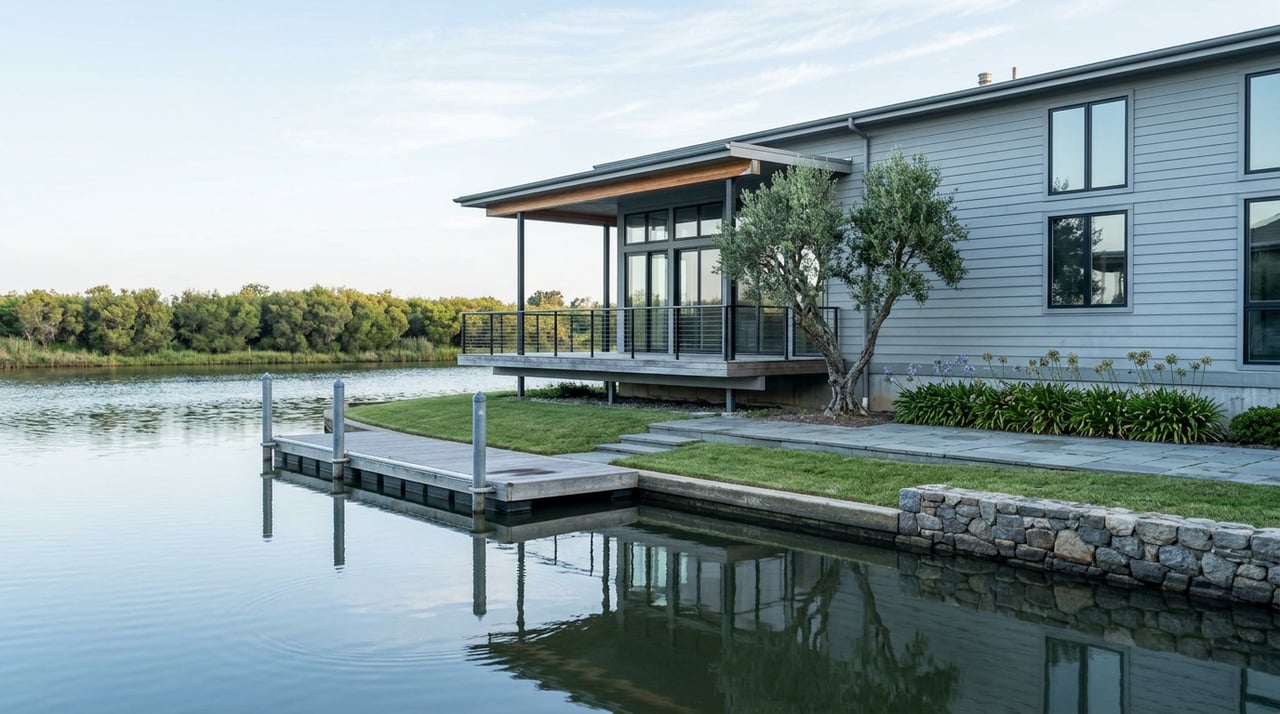
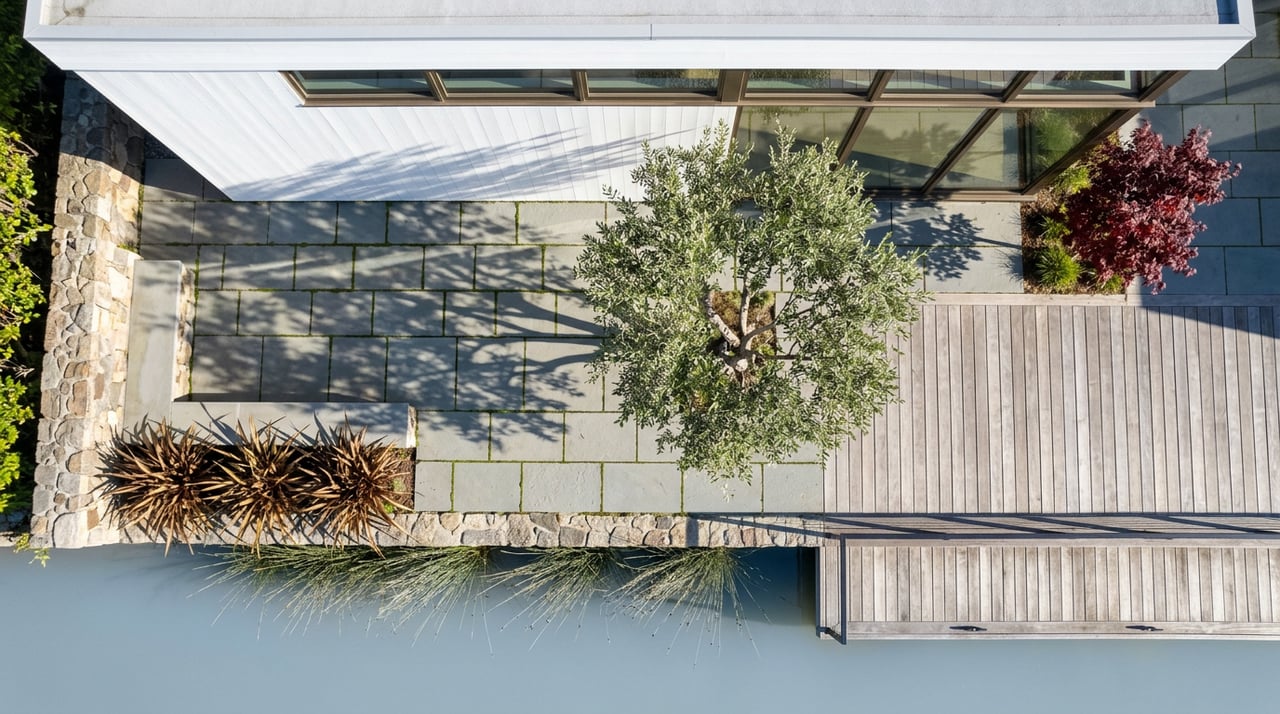
Foster City's lagoon runs roughly four to five miles from end to end in a straight line, but because the system was engineered with dozens of winding residential fingers and side channels, it actually contains more than 16 miles of interconnected waterway and roughly 13 miles of shoreline to explore. That means access varies block by block. Some homes back directly onto a finger of the lagoon with private dock access. Others are a short walk from a public shoreline park. Either way, the water isn't just there to look at from a kitchen window. It's functioning water, tidal and connected to the Bay, doing the same thing it would do if you were standing on a pier in Redwood City or San Mateo, just quieter and closer to home.
If you've spent years walking past that water without a rod in hand, this is the season to change that. Bring a license, pick a shoreline spot, and go find out what's actually living behind your neighbor's fence line. Just don't be surprised if the biggest one you hook stays exactly where it is.
Curious what else makes your specific stretch of Foster City different from the block over, whether that's water access, lot orientation, or how a home here actually shows to buyers down the line? Julie Flouty has spent years learning this city block by block. Let's Connect when you're ready to talk about what your Foster City address is really worth.