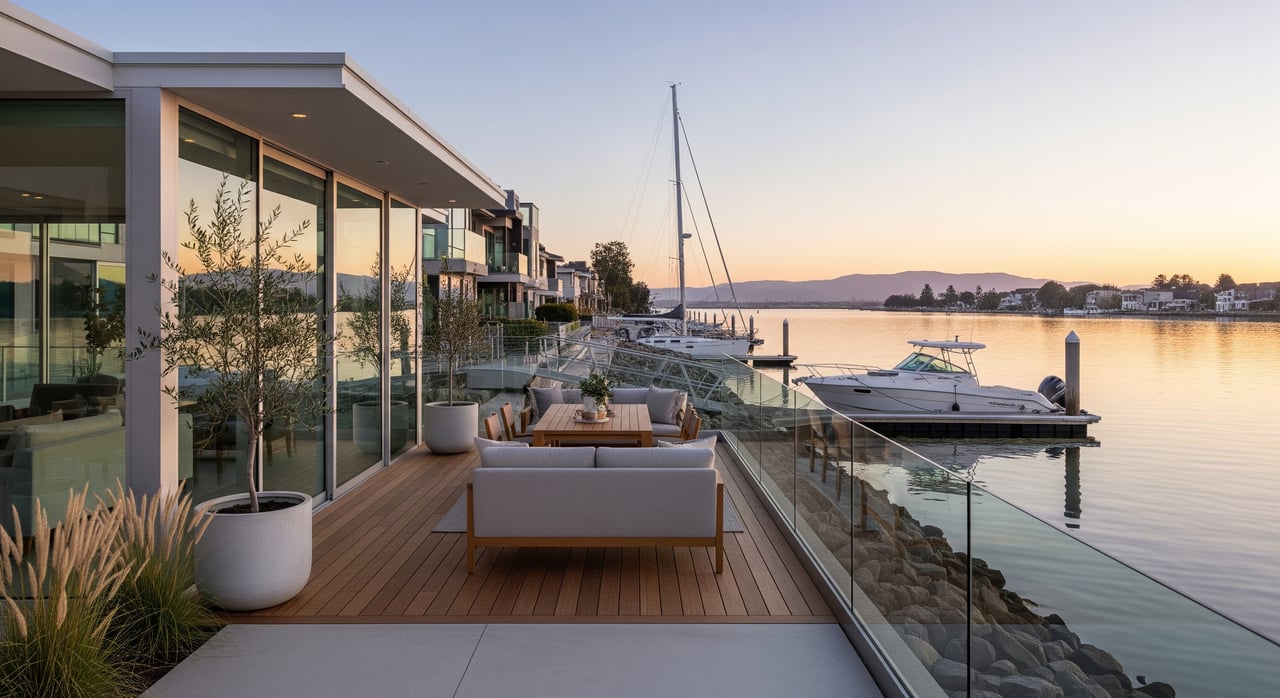
Imagine starting your morning with coffee on a patio that opens to calm blue water, then ending the day with a quick paddle at sunset. If you’re weighing a move-up purchase on the San Mateo Peninsula, Foster City’s lagoons make that rhythm part of everyday life. You want the views and access, and you also want a clear picture of costs, rules, and tradeoffs before you buy. In this guide, you’ll learn what daily waterfront living looks like in Foster City, how ownership works, where risks and regulations come in, and the checklist to use when you tour homes. Let’s dive in.
Foster City at a glance
Foster City is a planned community built around engineered lagoons and canals. The waterway network shapes how you move, play, and relax. Neighborhoods near the lagoons are flat and walkable, so it’s easy to get outside for a quick loop or a longer ride.
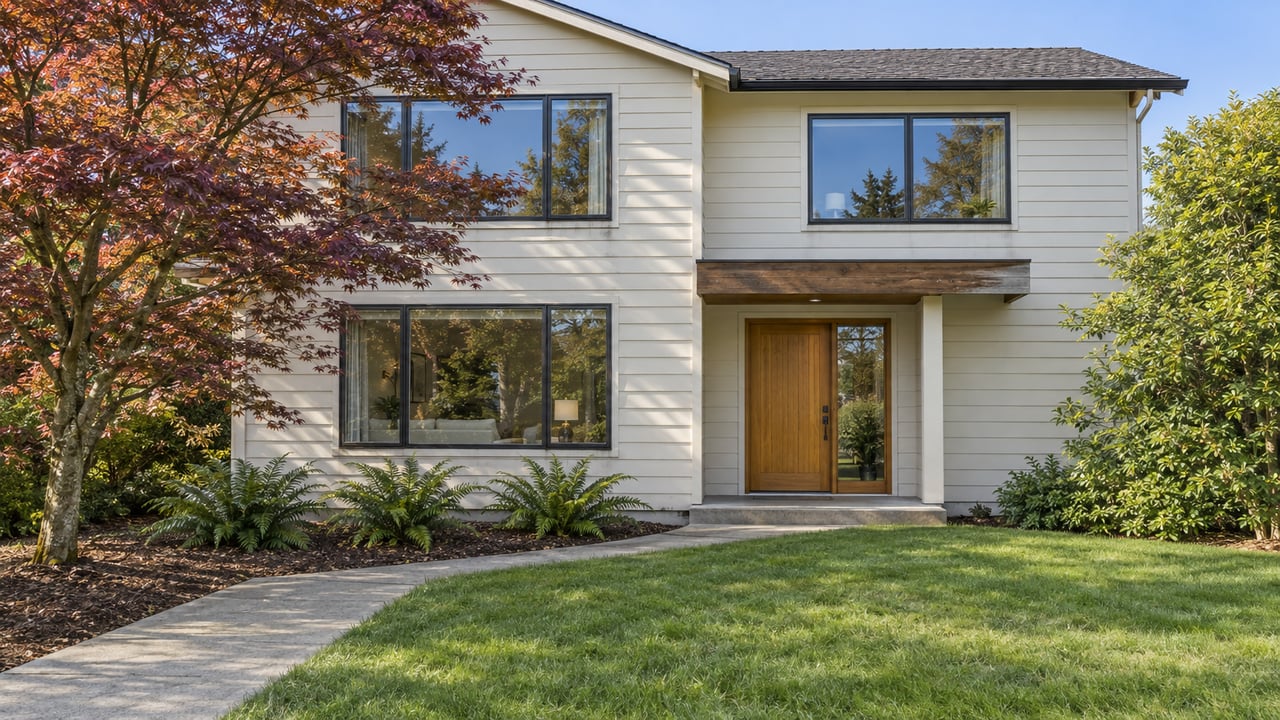
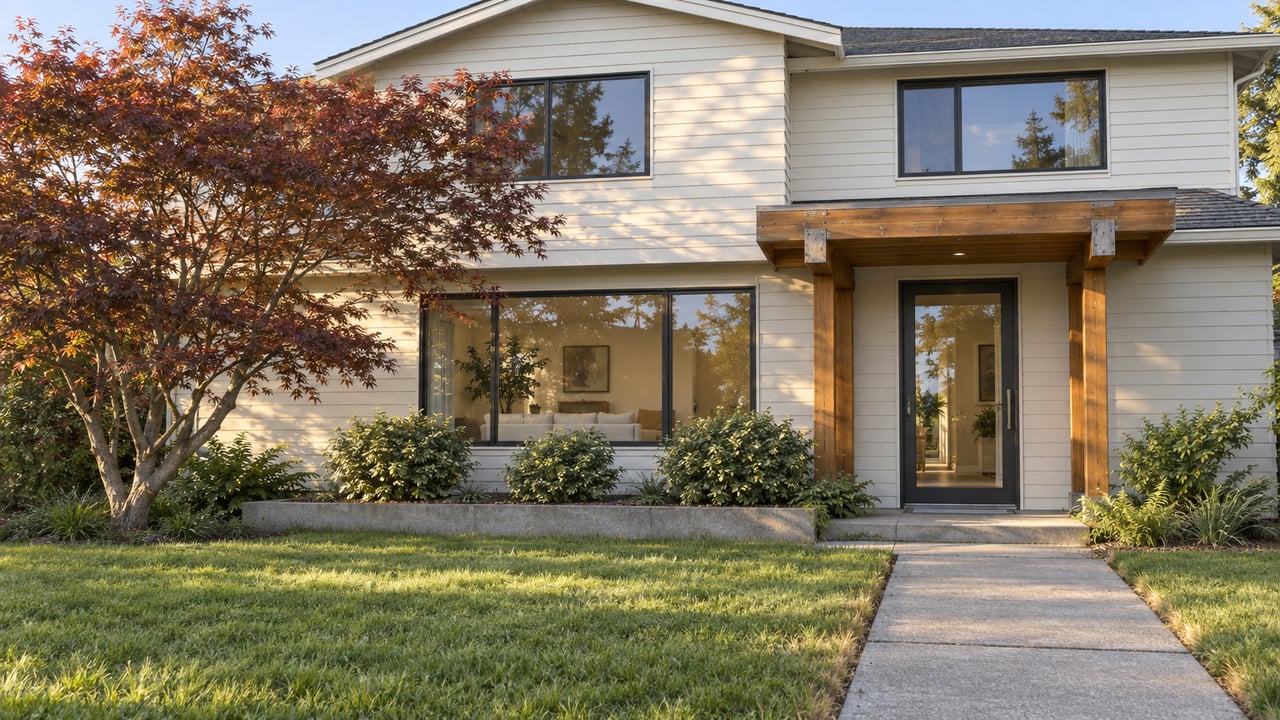
Waterfront homes range from single-family houses to townhomes and a smaller number of low-rise condos with shared waterfront spaces. Many properties have back yards that open to the water, with private or shared docks depending on the parcel and governing documents. Because lots can be smaller than some inland suburbs, many owners prioritize interior remodels or vertical additions to maximize views and space.
Waterfront properties usually sell at a premium over comparable inland homes. Actual pricing depends on view quality, dock access, and market conditions, so you’ll want local comps when you get serious about a specific home.
Daily rhythm on the water
Recreation at your doorstep
If you like staying active, you can integrate water time into your routine. Common activities include stand-up paddleboarding, kayaking, rowing, and in some areas small motorized boating where allowed. Windsurfing and kiteboarding may be options in broader lagoon or bay-exposed areas, depending on wind and safety rules. Availability and rules vary by property and HOA, so verify boat types, size limits, and guest use before you buy.
Storage matters too. Many buyers plan for a rack or garage setup for boards and paddles, plus safe launch points. Homes with docks or community slips make it easy to go from garage to water in minutes.
Parks, paths, and community spaces
Waterfront parks and trails bring people outside for picnics, playtime, and low-key evenings. Even on days you do not launch a kayak, you can still walk, jog, or cycle along lagoon routes that feel calm and scenic.
Commuting and everyday errands
Foster City sits between San Francisco and Silicon Valley with access to U.S. 101 and State Route 92. The city does not have a Caltrain station within its limits, so most commuters drive or connect to nearby transit hubs. If you split time between home and office, consider route options and typical drive times as part of your lifestyle comparison.
Home features buyers value
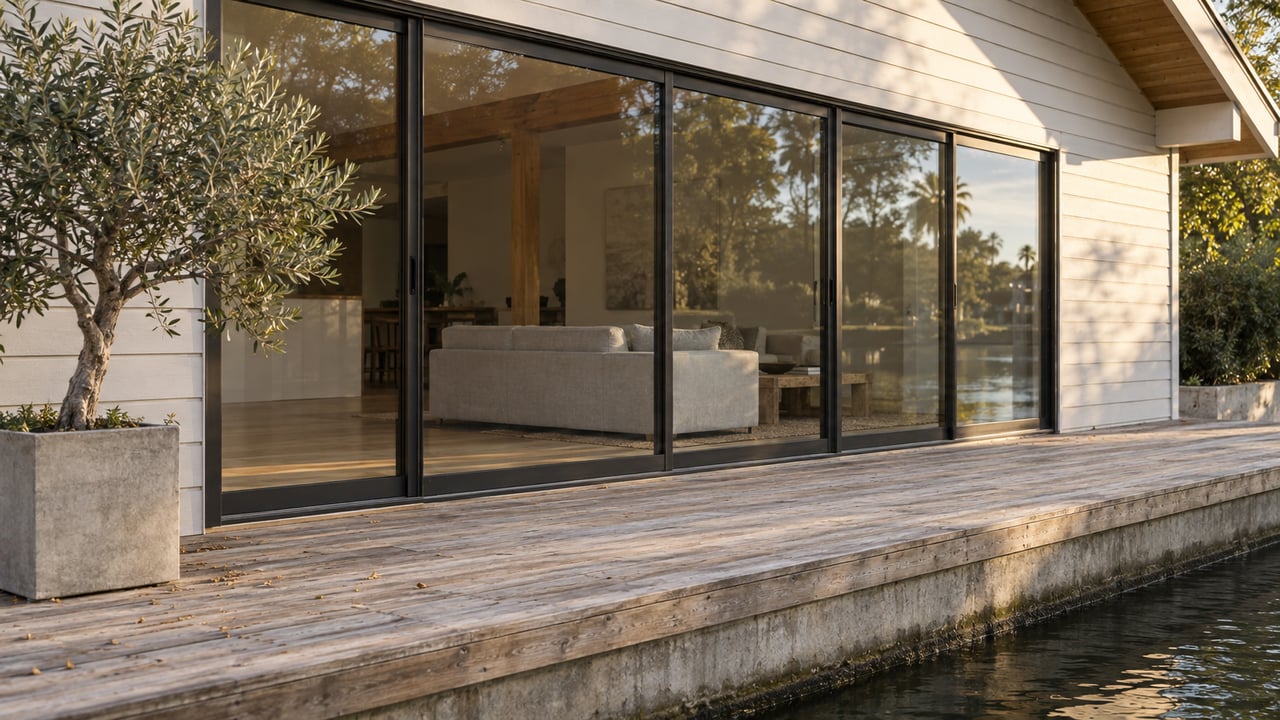
- Back yards with direct water access, often at ground level or slightly elevated.
- Private or shared docks, slips, or bulkheads, which are governed by parcel documents or HOA rules.
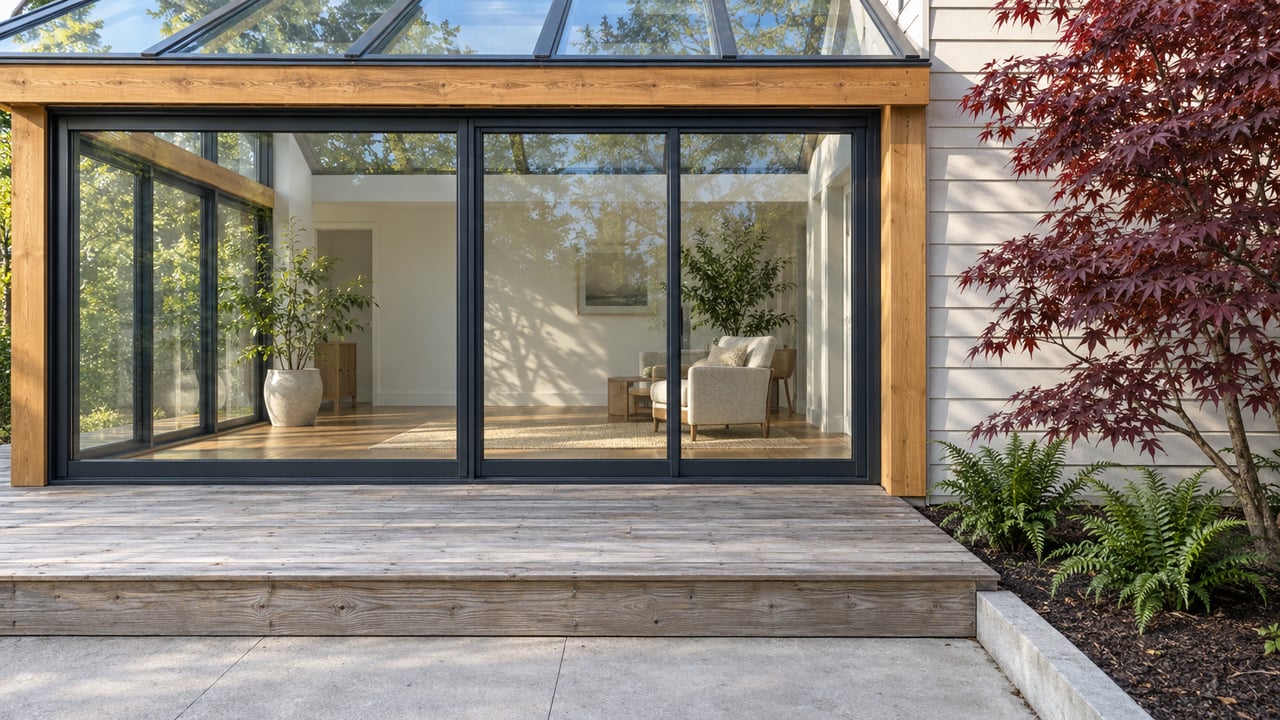
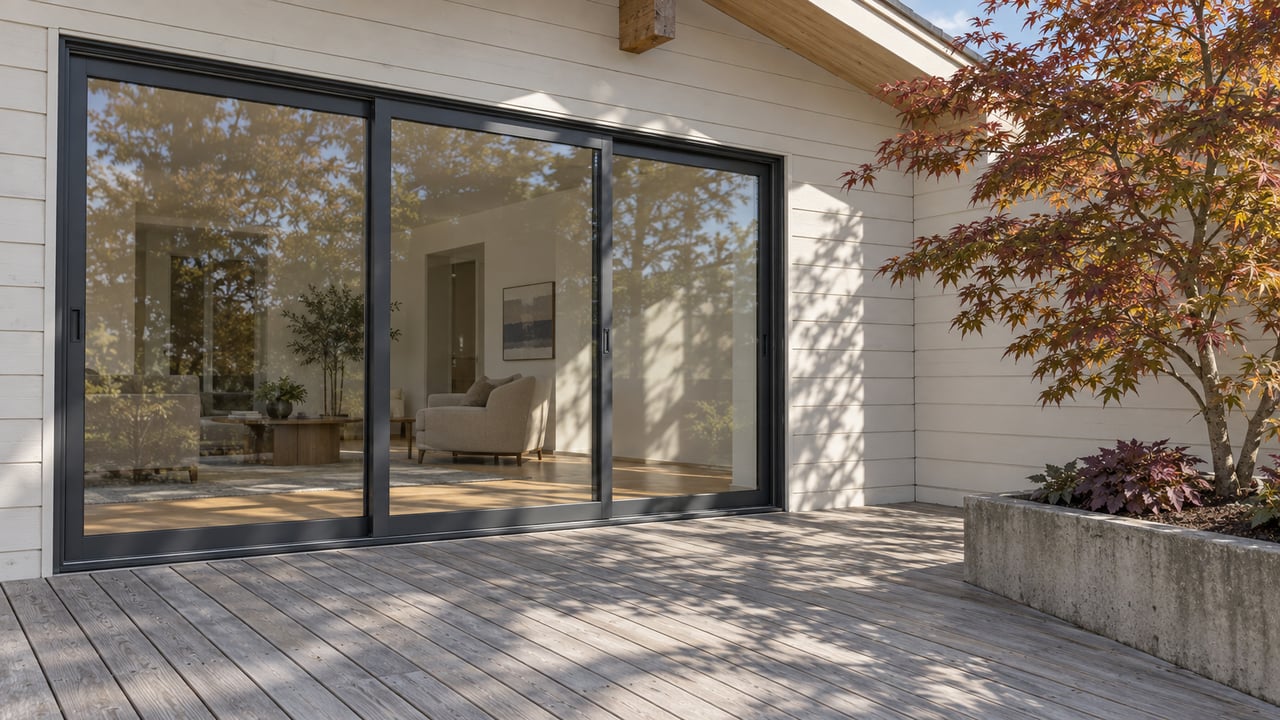
- Windows, decks, and patios oriented for views and indoor-outdoor flow.
- Renovations that open floor plans, improve energy performance, and address flood or seismic considerations.
Ownership realities to expect
HOAs, rules, and documents
Many waterfront clusters, especially townhomes and condos, have homeowners associations that manage shared docks, bulkheads, landscaping, and common-area insurance. Expect higher dues than inland developments because water-related maintenance is more complex. Before you commit, review the CC&Rs, bylaws, reserve studies, meeting minutes, and assessment history.
In California, common-interest developments operate under the Davis-Stirling Act. If you are buying into an HOA, learn your disclosure rights and resale document requirements by reviewing the state’s guidance in the California Legislative Information on common-interest statutes.
Docks, bulkheads, and maintenance
Ownership of shoreline structures varies. Some single-family parcels own and maintain their dock or bulkhead. In planned developments or condos, the HOA may own and maintain shared docks and seawalls, with costs allocated among owners. Budget for periodic dock replacement, mooring and float upkeep, and potential bulkhead or seawall repairs. These items can trigger special assessments if reserves are not sufficient.
Permits and agencies for shoreline work
Replacing a dock or modifying shoreline structures requires permits. Depending on scope, you may need approvals from the city or county, and for Bay shoreline work from the San Francisco Bay Conservation and Development Commission. Projects that affect wetlands or water quality can also involve state or federal permits. Build in time for reviews and conditions when you plan improvements.
Flood risk and insurance
Waterfront properties carry more exposure to flooding and storm surge than inland homes. Start with parcel-level mapping from the FEMA Flood Map Service Center to understand flood zones. Insurance pricing under FEMA’s Risk Rating 2.0 reflects property-specific risks, so premiums can be material and may change over time.
Long-term sea-level rise planning is active around the Bay. To understand scenarios and timelines, explore the NOAA sea level rise resources and tools and review regional guidance from BCDC. Local jurisdictions are evaluating shoreline projects and funding mechanisms, so factor potential public works and assessments into your long-range view.
Foundations, utilities, and inspections
Much of Foster City was built on engineered fill. Most homes meet local codes, but it is wise to review foundation, grading, and utility inspections and ask about any past shoreline repairs or structural retrofits. For major renovations, consider a geotechnical or structural consult to confirm design assumptions and costs.
Everyday tradeoffs to weigh
Noise and weekend activity
Street noise is often lower on the water, yet you may hear more activity from paddlers, small craft, and gatherings near launch points. Sound can travel across open water, especially on breezy afternoons and weekends. Visit at different times of day to gauge what feels right.
Privacy and sightlines
Privacy depends on lot orientation and setbacks. Some canal-front homes back onto public walkways, which adds convenience for strolling but can reduce backyard privacy. Landscaping or fencing can help, subject to local rules and HOA guidelines.
Wildlife and small nuisances
You will likely see birds such as egrets, herons, gulls, and other waterfowl. Many owners enjoy the natural feel and birdwatching. Be ready for practical downsides like occasional droppings near docks. Standing water can increase mosquito habitat in some places, while moving or tidal water tends to reduce issues. Local vector-control resources can help you understand seasonal patterns.
Microclimate on the Bay
Expect stronger bay breezes, cooler summer afternoons, and more marine layer than inland neighborhoods. This can be a plus for afternoon paddles and crisp evening walks. It can also shape your landscaping choices and outdoor furniture plans.
Foster City vs inland options
When you compare Foster City’s waterfront with inland Peninsula neighborhoods such as parts of San Mateo, Burlingame, Belmont, or San Carlos, consider these themes:
- Advantages on the water: daily access to lagoons, consistent routes for paddling and walking, and a community identity centered on the shoreline.
- Tradeoffs on the water: potentially higher recurring costs for HOA dues, dock and bulkhead upkeep, and flood insurance, plus added regulatory steps for shoreline work and long-term exposure to sea-level rise.
- Inland advantages: often less tidal flood exposure, the possibility of larger lots or more mature tree-lined streets in some areas, more direct access to certain transit nodes such as Caltrain, and a wider range of home styles and price points.
- Inland tradeoffs: no direct water access and fewer water-driven routines.
Resale for waterfront homes can be strong because views and access are unique. Market conditions and risk perceptions can influence timing and pricing, so plan your exit strategy with local data.
Smart buyer checklist
Use this list as you tour homes and review documents:
- Obtain the property’s FEMA flood map designation and any known flood history. Validate with the FEMA Flood Map Service Center.
- Request current and historic insurance claims if available and get a flood quote from insurers, including how Risk Rating 2.0 may affect premiums.
- Review all HOA documents: CC&Rs, bylaws, reserve study, operating budget, meeting minutes, and special assessment history. Confirm rules on boat types, size limits, guest use, and dock access.
- Clarify ownership of shoreline elements, including private versus HOA-owned docks, bulkheads, and seawalls. Ask for inspection and maintenance records.
- Order a general home inspection plus targeted evaluations for foundation, drainage, and shoreline structures. Consider geotechnical input for major projects.
- Verify permits for existing docks or slips and whether mooring rights transfer with title or require separate agreements.
- Check city and county planning for sea-level rise and proposed shoreline projects, and review regional resources from BCDC and NOAA.
Your professional team
Surround yourself with specialists who understand waterfront nuances:
- A local real estate agent experienced in Foster City waterfront transactions.
- A licensed home inspector plus structural or geotechnical engineers as needed.
- An insurance broker familiar with NFIP and private flood policies.
- A real estate attorney for complex HOA or dock ownership questions.
- City or county planning contacts for permits and shoreline project timelines.
Ready to explore waterfront living?
If daily paddles, sunset views, and walkable lagoon paths match your goals, Foster City can make that routine feel effortless. Balance the lifestyle with a clear plan for HOAs, docks, flood insurance, and long-term shoreline planning, then use local comps to pinpoint value. When you are ready to compare neighborhoods or tour specific homes, connect with a trusted local guide who knows the waterfront market and how to navigate the details. To start a tailored search or talk strategy, reach out to Julie Flouty.
FAQs
What daily life looks like on Foster City lagoons
- Expect easy access to paddleboarding, kayaking, and waterfront paths, plus a calm, walkable setting that integrates the lagoons into everyday routines.
How HOAs affect boat and dock use in Foster City
- HOA rules vary by community and can govern boat size and type, mooring, guest access, and hours of use, so review CC&Rs, bylaws, and recent meeting minutes.
Flood insurance considerations for Foster City waterfront buyers
- Check parcel flood zones with the FEMA Flood Map Service Center and get quotes that reflect Risk Rating 2.0 since premiums are property specific.
Permits required to replace a dock in Foster City
- Plan for city or county permits, and for Bay shoreline work coordinate with the San Francisco Bay Conservation and Development Commission; timelines and conditions vary by project.
Sea-level rise planning impacts on Foster City owners
- Regional planning by BCDC and scenario tools from NOAA inform local projects and potential assessments, so review plans to understand future costs and protections.
Waterfront vs inland Peninsula neighborhoods for families
- Waterfront homes offer daily water access and views but may have higher recurring costs and added regulations, while inland areas often provide larger lots, different transit access, and broader price ranges.