Thinking about making Burlingame home? Maybe you picture a tree-lined street, a quick coffee run on Burlingame Avenue, and an easy hop to San Francisco or Silicon Valley. You want a friendly, polished feel without giving up convenience. Burlingame sits in the heart of the Bay Area's San Francisco Peninsula, and that central location is a big part of why buyers keep coming back to this market. In this guide, you'll get a clear look at daily life, neighborhoods, housing options, commutes, schools, parks, and the trade-offs to consider.
Burlingame at a glance
Burlingame sits on the Peninsula between San Francisco and San Mateo, just west of the Bay and minutes from SFO. It's a small city with a compact footprint and a strong sense of place. You'll find a lively downtown, quiet residential pockets, and a mix of professionals and families who value convenience and community. Period architecture and active civic life give Burlingame its classic charm. For a broader look at how Burlingame compares to other Peninsula cities, see our San Mateo County neighborhood comparison for commuters.
Burlingame neighborhoods and housing styles
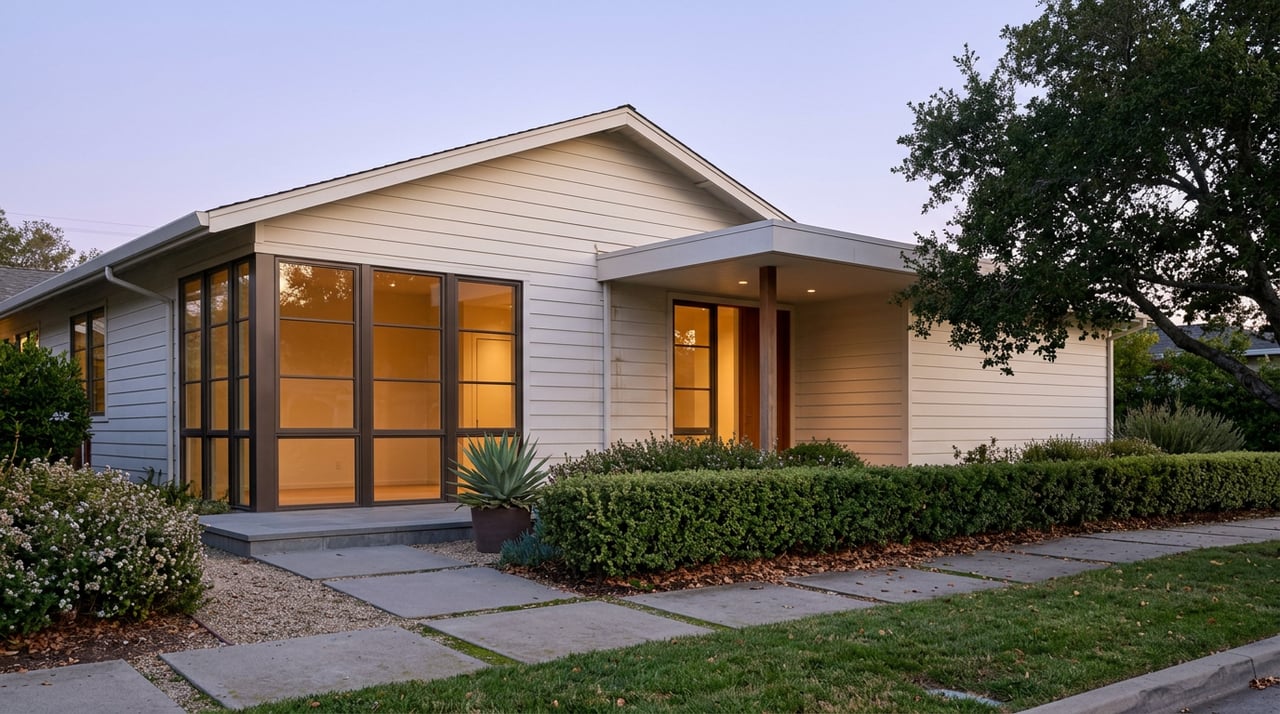
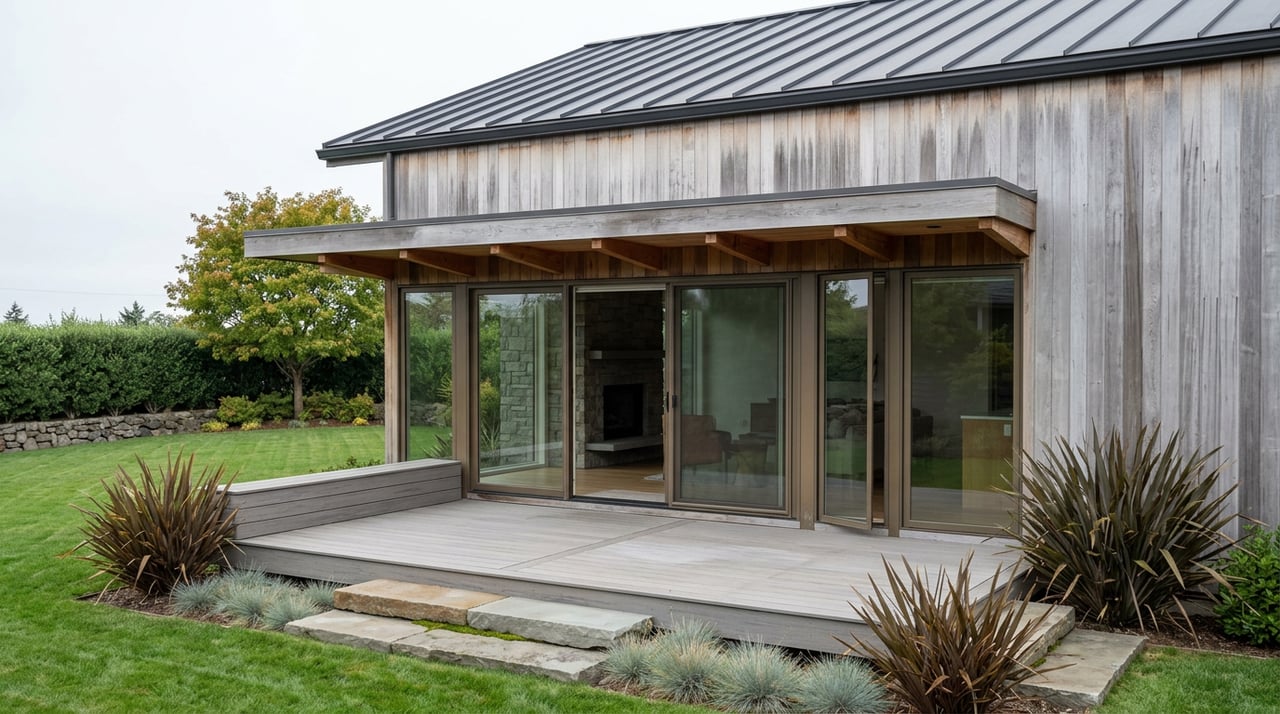
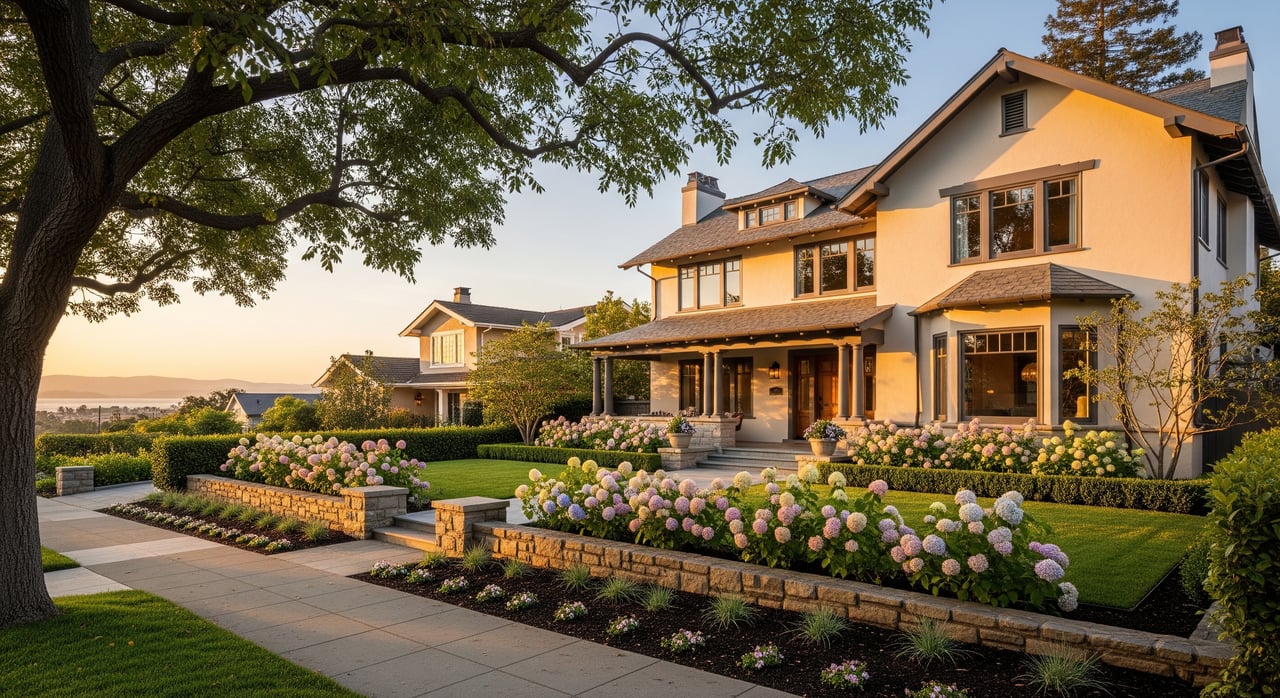
Housing here spans early 20th-century character homes, mid-century ranches, and newer infill. Craftsman bungalows, Edwardian and Tudor styles are common, with many homes thoughtfully updated. You'll also find Mediterranean influences and contemporary builds in select areas. Condos and townhomes cluster near downtown and transit corridors, while single-family homes dominate most residential streets. For current listings and neighborhood details, visit the Burlingame neighborhood page.
Downtown and Broadway
The streets around Burlingame Avenue and Broadway offer the most walkable living. You can step out to boutiques, cafes, and services, and reach the Caltrain station within minutes. Housing includes smaller-lot homes, condos, and low-rise buildings. It's a good fit if you value a car-light lifestyle.
Burlingame Hills and Burlingame Heights
Higher elevations bring larger lots and a quieter feel. Burlingame Hills sits on the western hillside, while Burlingame Heights occupies the area just above downtown. Many homes are single-family, some with views toward the Bay or the coastal hills. Expect more separation from downtown amenities and a more residential rhythm. If you want privacy and greenery, these areas often appeal.
Bayside neighborhoods
Near the Bay, you get quick access to waterfront trails and regional parks. Some homes may experience aircraft noise due to flight paths, and certain low-lying areas face flood or long-term sea-level considerations. If you love the Bay Trail and open water views, weigh these factors early in your search.
Edges and transition zones
Along the southern and northern edges of the city and near major arterials, you'll find townhomes and multi-family options. These areas can offer comparatively easier entry points into the market, with trade-offs around traffic and street activity. Proximity to transit and services is often a plus.
Burlingame housing market
Burlingame is one of the higher-priced markets on the Peninsula. Single-family homes often command a premium for proximity to downtown, neighborhood quiet, and lot size. Condos and townhomes can be a more attainable path, especially for first-time buyers or downsizers. Nearby markets like Millbrae and San Mateo offer additional options at a range of price points.
What influences value most:
- Location near downtown, parks, and schools.
- Lot size, outdoor space, and privacy.
- Architectural character and quality of updates.
- Views and hillside settings.
Market cycles affect pricing and time on market, so it's smart to review current data before you write an offer or set a list price. A local strategy can make the difference between winning and overpaying.
Cost of living in Burlingame
Housing is the biggest line item. Home prices and rents in Burlingame run above the Bay Area median, and well above national averages. Property taxes follow Proposition 13 rules, which means your base rate is set at purchase and grows slowly, though some homes carry supplemental or local assessments. Beyond housing, everyday costs like groceries, dining, childcare, and insurance track with Peninsula-wide pricing. Utilities, gas, and auto insurance tend to be higher than national norms as well.
The offset for many families is strong public schools, walkable amenities, short commute options, and long-term property appreciation. If you're budgeting for a move, factor in not just the mortgage but also insurance, maintenance on older homes, and the general cost of living on the mid-Peninsula.
Downtown, Burlingame Town Square, and walkability
Downtown Burlingame Avenue is the social heart of the city. You can grab coffee, browse boutiques, book appointments, and meet friends on foot. Central streets score higher for walkability, while areas farther out lean more car-dependent. The retail mix includes national names and local favorites, plus many professional services and fitness options.
The new Burlingame Town Square has added a central public gathering space that has already shifted how residents and visitors use downtown. The plaza connects to retail, dining, and community events, and it has become a natural anchor for the avenue.
Parks and the waterfront
Washington Park serves as a central gathering place with fields, courts, and playgrounds. Across the east side, the Bayfront and regional trails connect you to wide-open views and fresh air. Nearby, Coyote Point Recreation Area in adjacent San Mateo adds wind sports, a marina, and more trails. If you're also exploring nearby communities, the parks and outdoor living scene in Millbrae offers a similar Peninsula feel with a slightly different mix of trails and green space. Youth sports, community classes, and library programs help keep weekends full and connected.
Schools and childcare overview
Public elementary and middle schools are served by the Burlingame School District, and public high school students typically attend Burlingame High in the San Mateo Union High School District. Many local public schools perform well on statewide measures, which is a common reason families choose the area. Always confirm current boundaries and enrollment policies with the district, since lines and procedures can change. Private schools and preschools operate in and around the city, though capacity can be limited, so plan ahead.
Commuting and transportation
Caltrain is the main rail artery for Peninsula commuters, and Burlingame's station sits right by downtown. Trains to San Francisco vary by service type, with typical rides ranging from about 20 to 40 minutes. SamTrans buses connect neighborhoods and link you to regional systems, including BART via SFO. If you fly often, SFO is a short drive away with multiple transit options.
For drivers, US-101 and I-280 provide north-south access. Reaching downtown San Francisco by car often ranges from 20 to 45 minutes depending on traffic, while Palo Alto and central Silicon Valley can be 25 to 50 minutes or more. Downtown parking can be tight during peak hours, and Caltrain parking availability varies by station, so plan your routine early.
Everyday services and healthcare
You'll find a range of medical providers in town, with major hospitals and specialty care nearby in San Mateo, Redwood City, and San Francisco. Groceries are convenient, with national chains and independent markets in and near downtown. Childcare and senior services are available, though waitlists are common across the Peninsula. Advance planning helps a lot.
What to weigh before you buy
Every location has trade-offs. In Burlingame, proximity to SFO means some neighborhoods experience aircraft noise. Eastern, low-lying areas can fall within FEMA flood zones or face long-term sea-level considerations, so it's important to check maps and disclosures. Like the rest of the Bay Area, seismic risk is a reality, especially for older homes that may benefit from upgrades.
Because many homes date to the early 1900s, pay close attention to foundations, seismic retrofits, plumbing and electrical systems, and roof condition during inspections. Some blocks have historical or design guidelines that shape exterior changes, so learn the permitting and review process before you plan a major remodel.
Buyer checklist to get started:
- Visit target streets at different times to assess aircraft noise, traffic, and light.
- Confirm flood zones, insurance needs, and any sea-level projections.
- Review permit history and plan for potential seismic work or system upgrades.
- Verify school assignments and enrollment policies directly with the district.
- Align commute plans with Caltrain schedules, driving patterns, or employer shuttles.
Selling in Burlingame
Strong demand meets selective buyers here. Presentation and timing matter. Strategic prep, professional staging, and targeted marketing can lift perceived value and shorten your timeline. With Compass Concierge and a coordinated vendor network, you can handle high-impact updates before listing and pay for them at closing, subject to program terms.
A data-driven strategy helps you price to the market while maximizing exposure through coming-soon channels and private network tools when appropriate. Clear communication, showing feedback, and fast negotiation adjustments keep your listing competitive in real time. If you're curious about what your home could sell for, start with a home valuation.
Is Burlingame a fit for you?
If you value a lively, small-city downtown, classic architecture, strong public school options, and a central Peninsula location, Burlingame stands out. You get easy access to both San Francisco and Silicon Valley, plus parks and waterfront trails that anchor outdoor life. The trade-offs are real: higher housing costs, limited new inventory, peak-hour traffic, and potential aircraft noise in some areas. When you balance these factors with your budget and daily routine, the right neighborhood fit becomes clear.
How to choose your ideal spot
Zero in on what matters most day to day. Do you want to stroll to dinner or prefer a quiet hillside street? Will Caltrain be your main commute, or do you need fast freeway access? Would a condo near downtown simplify life, or do you need a larger lot and yard? Map your priorities to specific pockets and tour at different times to feel the rhythm of each block.
If you're relocating, a structured neighborhood tour and a clear read on disclosures will save you time. If you're selling, a prep plan and a market-tested pricing strategy can amplify results. Either way, local guidance and a steady process make decisions simpler and outcomes stronger.
Ready to explore Burlingame with a local, high-touch approach? Connect with Julie Flouty for neighborhood tours, pricing insights, and a plan tailored to your timeline.
FAQs
Is Burlingame worth the price for families?
Many buyers find the combination of a walkable downtown, strong public school options, parks, and central Peninsula access compelling. Weigh these benefits against higher housing and living costs to see whether the day-to-day quality of life aligns with your budget.
How long are commutes from Burlingame to San Francisco and Silicon Valley?
By Caltrain, trips to San Francisco typically run about 20 to 40 minutes depending on service, while driving usually ranges from 20 to 50 minutes or more based on traffic and destination. Heading south to Palo Alto or central Silicon Valley is generally 25 to 50 minutes by car.
How does SFO impact daily life in Burlingame?
Proximity is convenient for travel and jobs, but aircraft noise affects certain neighborhoods, particularly on the eastern, bayside portions of the city. Visit at different times of day to gauge your comfort level before making an offer.
What public school districts serve Burlingame?
Elementary and middle schools are in the Burlingame School District, and high school students typically attend Burlingame High in the San Mateo Union High School District. Always confirm current boundaries and enrollment policies directly with the districts, since assignments can change.
Is Burlingame a safe place to live?
Burlingame is generally considered a safe, low-crime community relative to the broader Bay Area. As with any city, specific blocks vary. Walking neighborhoods at different times, reviewing public safety data, and talking to residents on the streets you are considering will give you the most accurate picture.
Are there flood or seismic risks in Burlingame?
Some bayside areas may be in FEMA flood zones or affected by long-term sea-level projections. Older homes across the city benefit from seismic evaluation, especially those with unreinforced foundations. Review maps, disclosures, and inspection findings early in your search.
What is the cost of living in Burlingame, CA?
Housing is the biggest factor. Home prices and rents run above the Bay Area median and well above national averages. Everyday costs like groceries, dining, childcare, and insurance track with Peninsula-wide pricing. Property taxes follow Proposition 13 rules, and some homes carry supplemental or local assessments. The offset for many families is strong schools, walkable amenities, and long-term property appreciation.