San Francisco Peninsula Real Estate
San Carlos, CA Real Estate & Community Guide
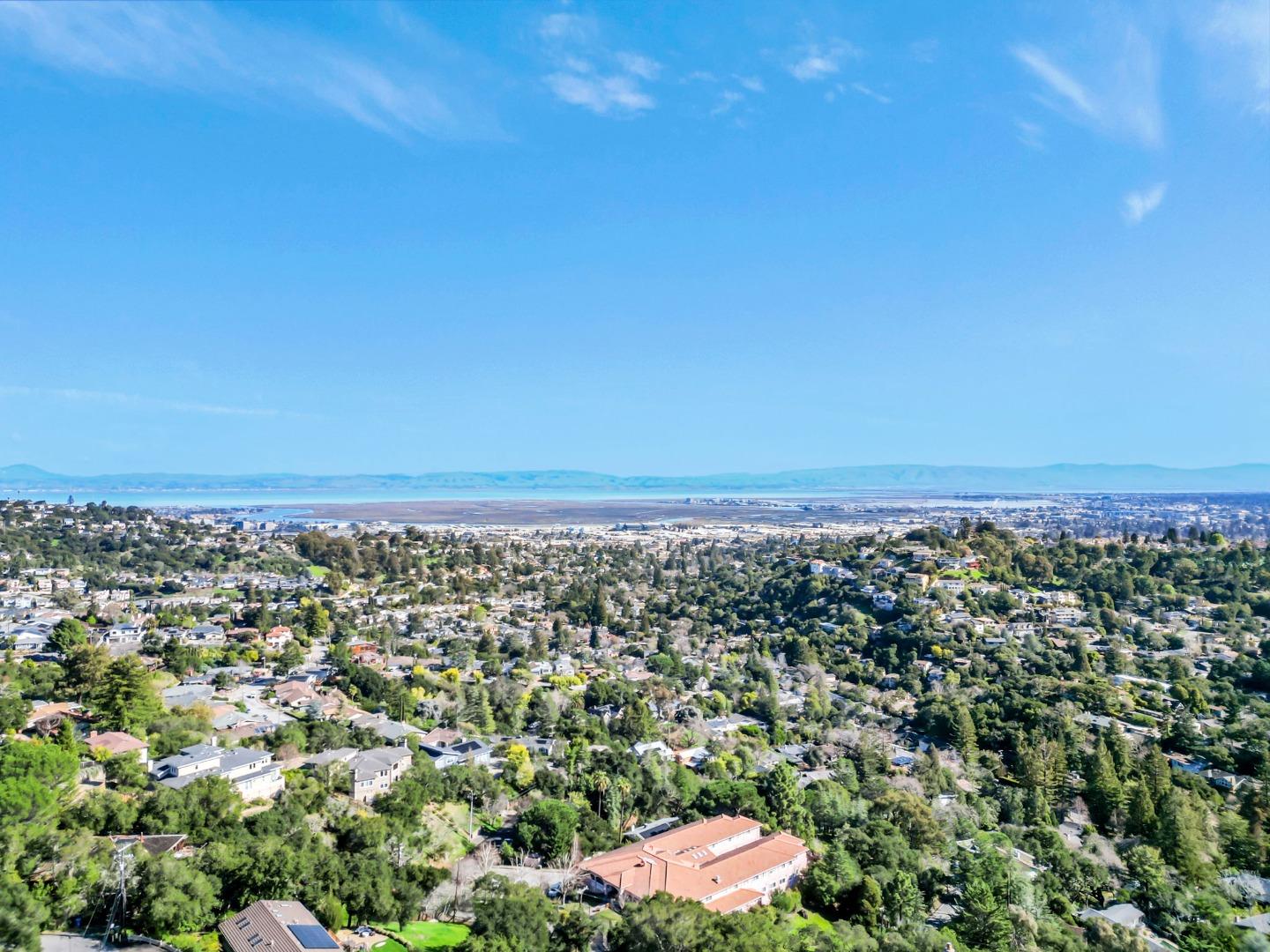
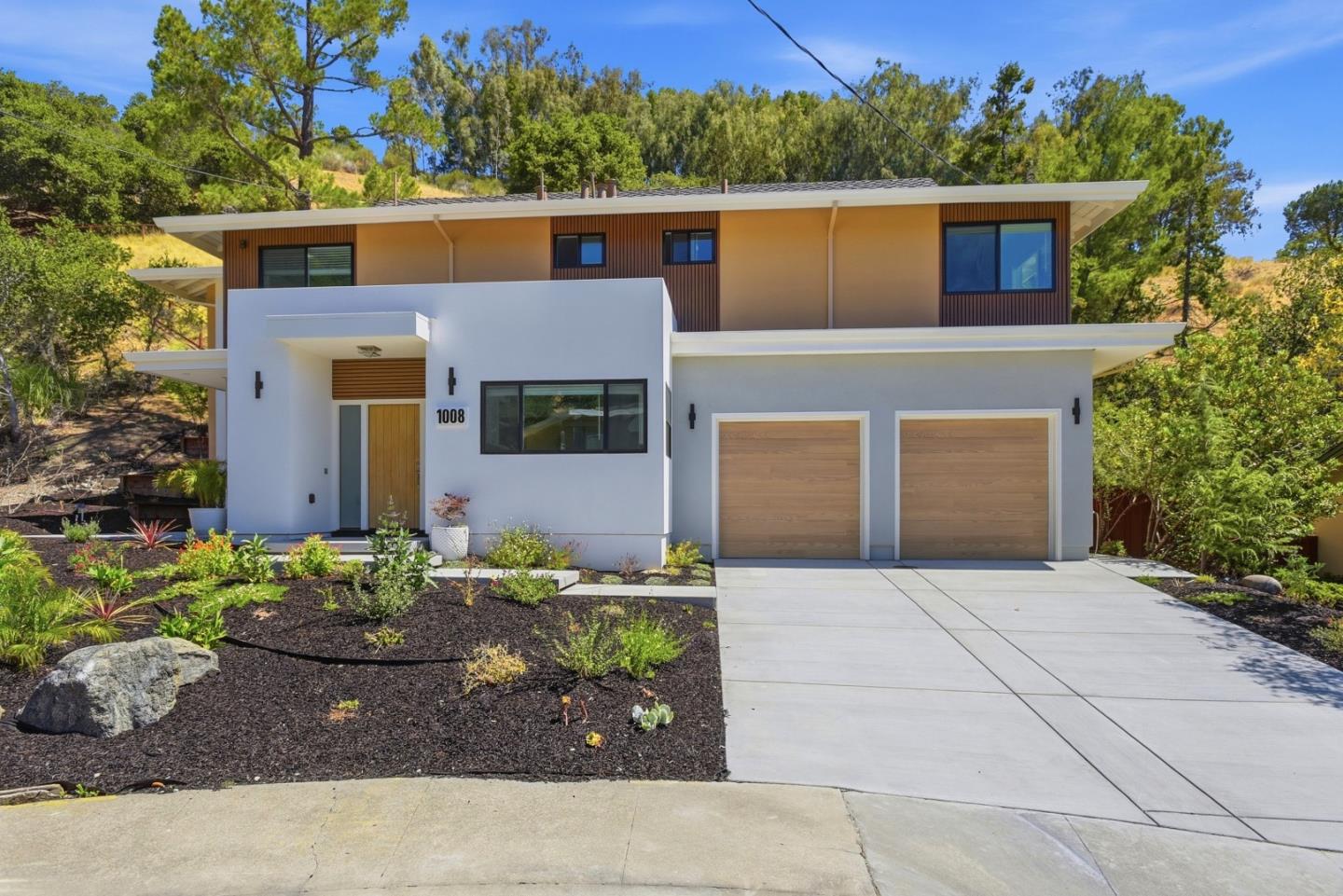
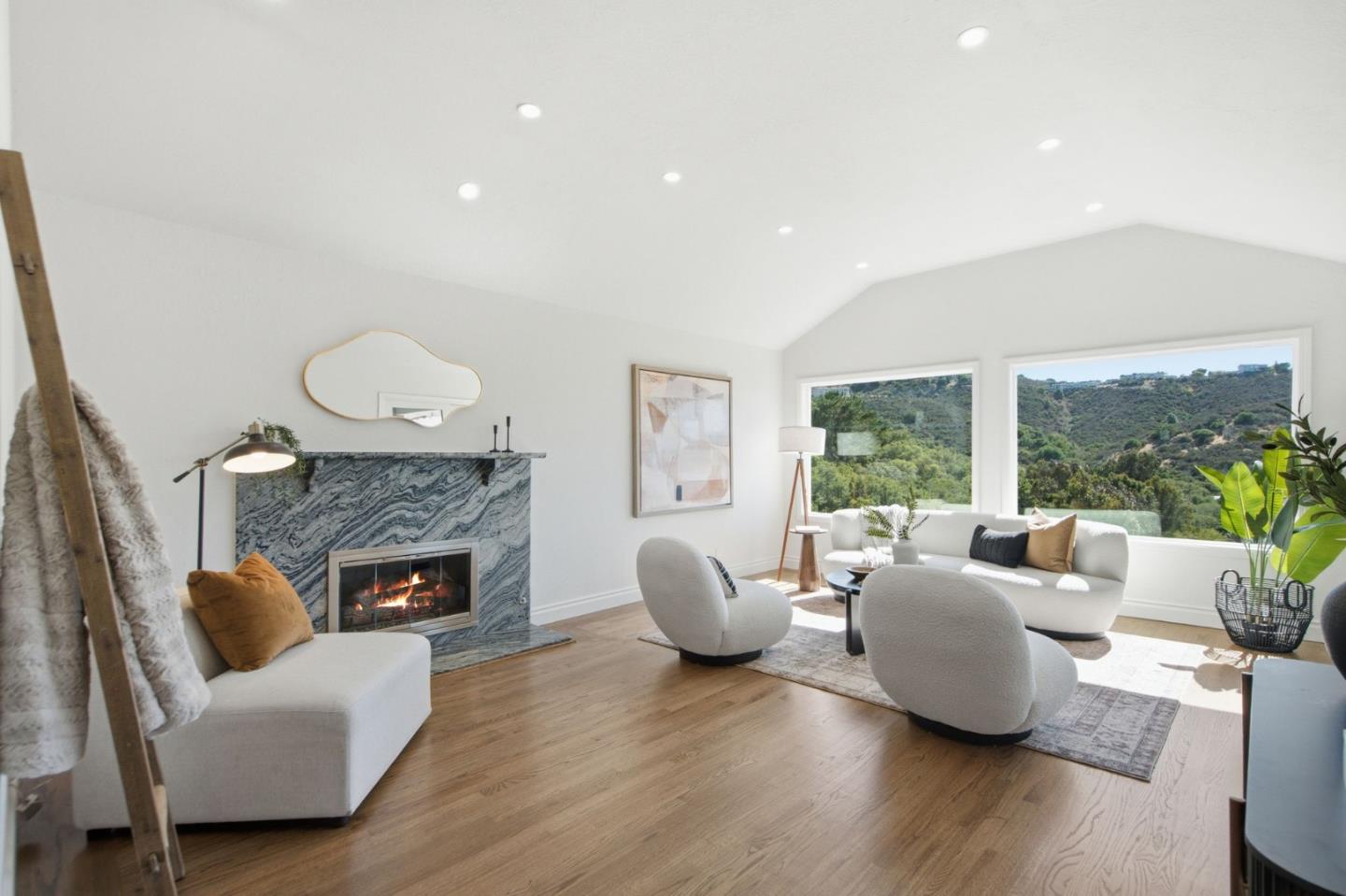
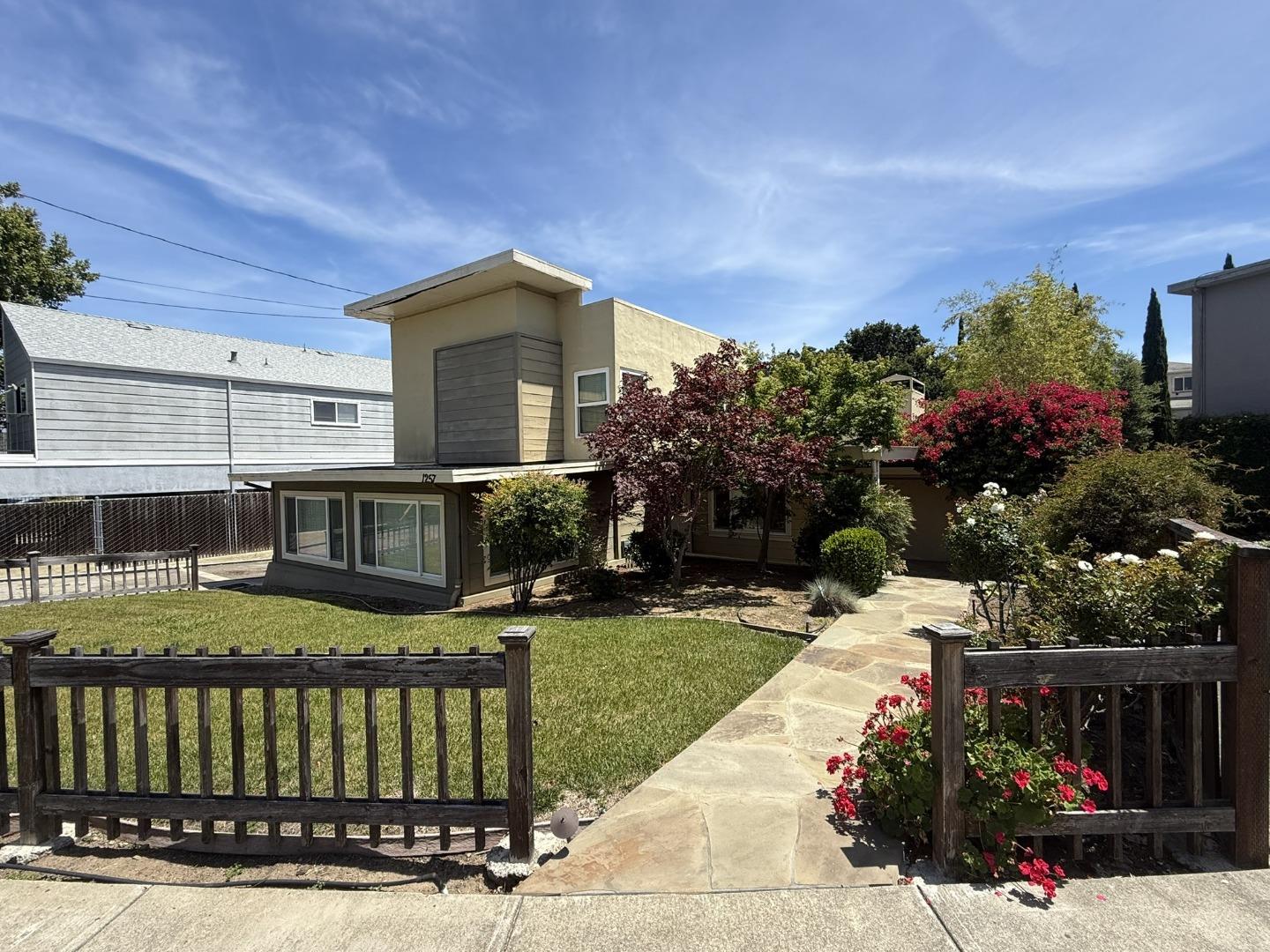
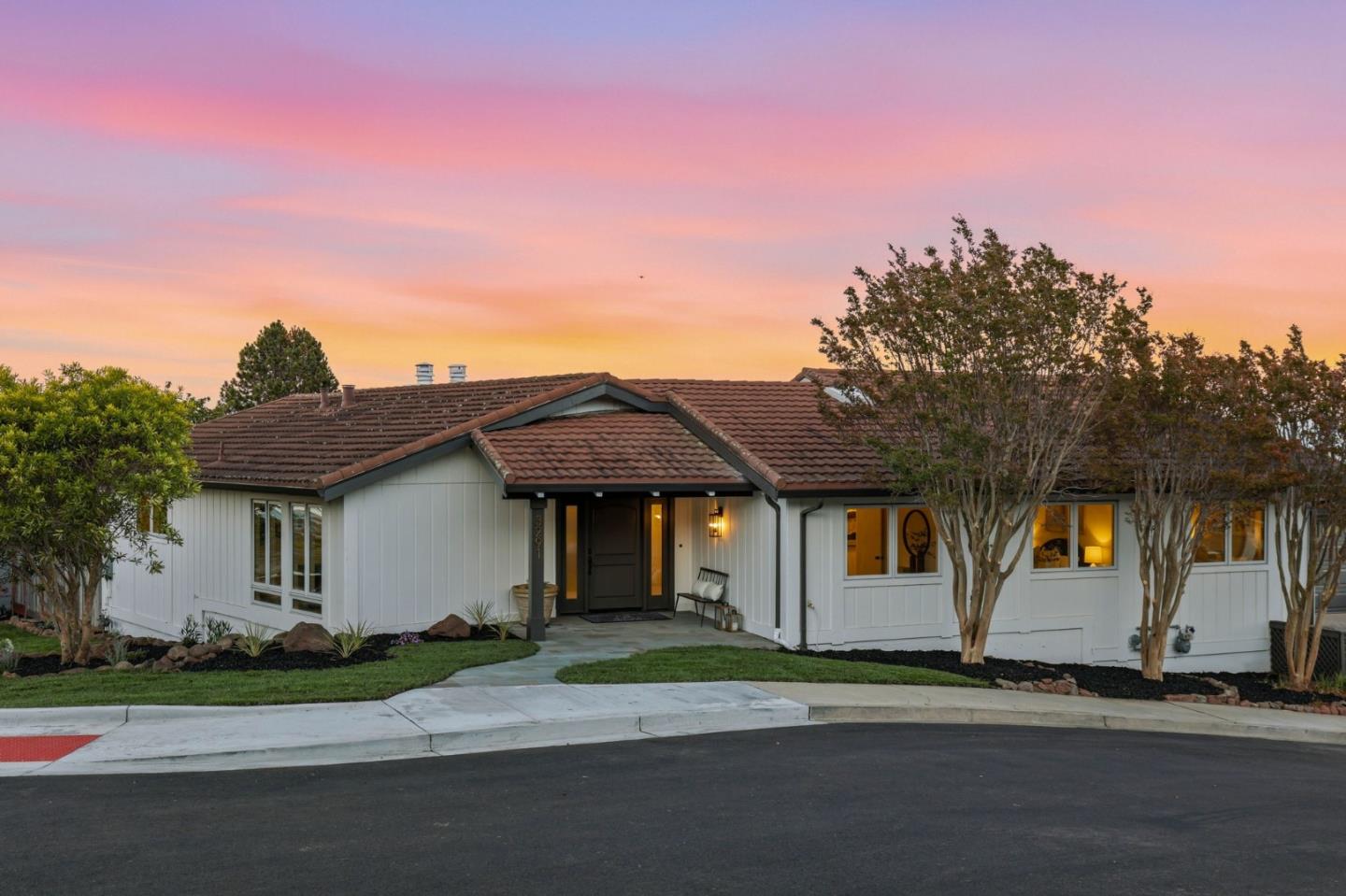
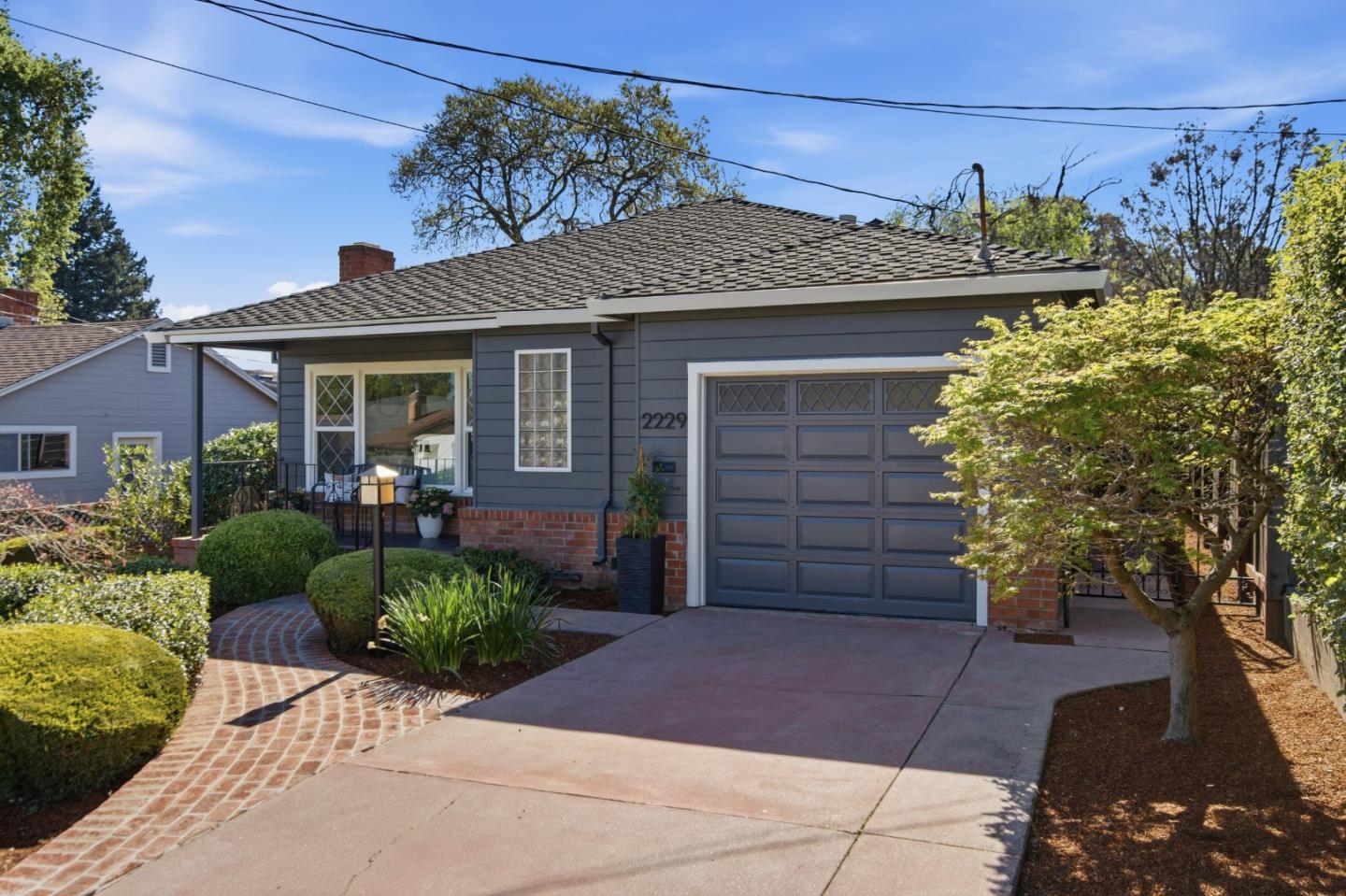
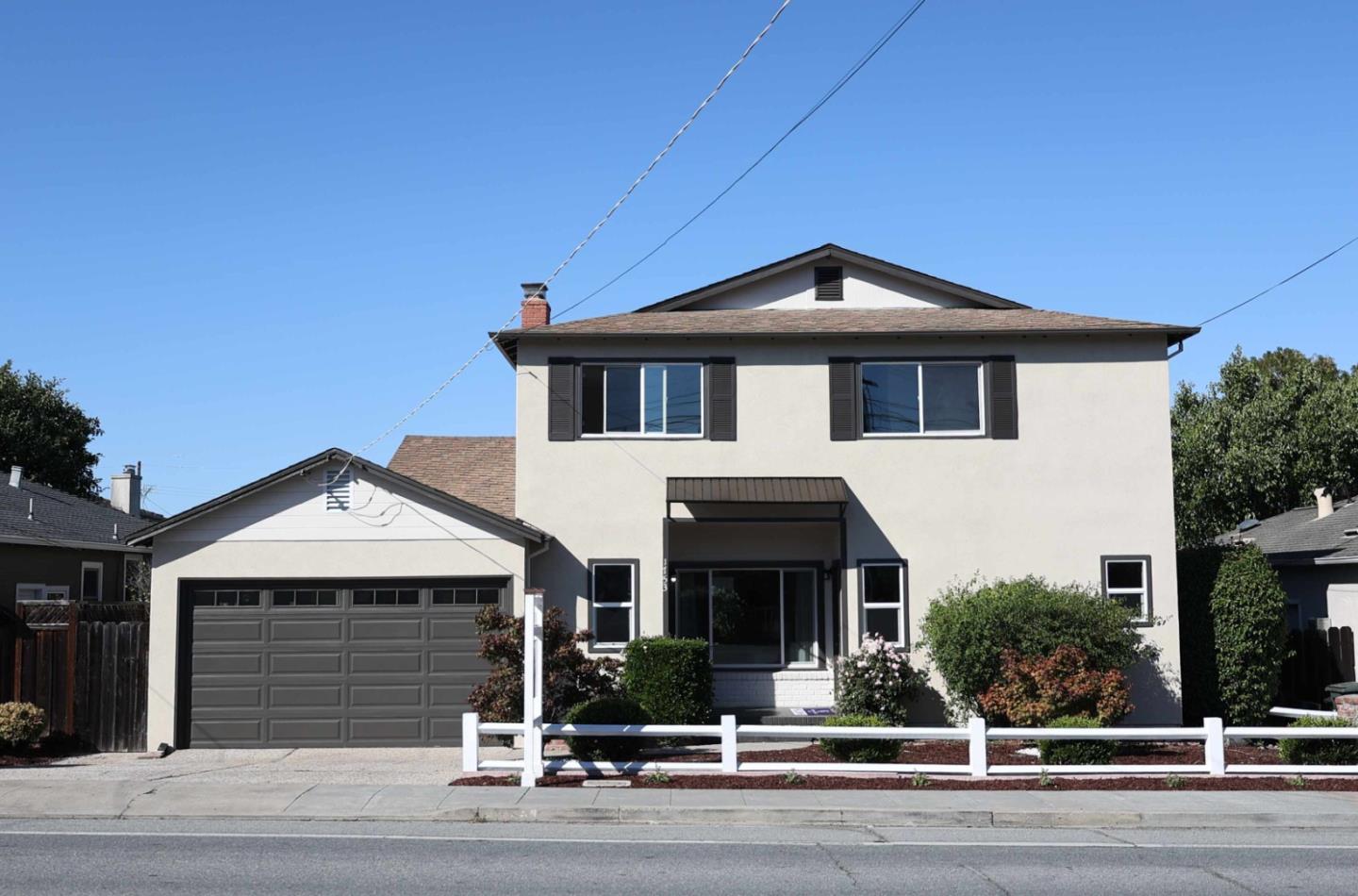
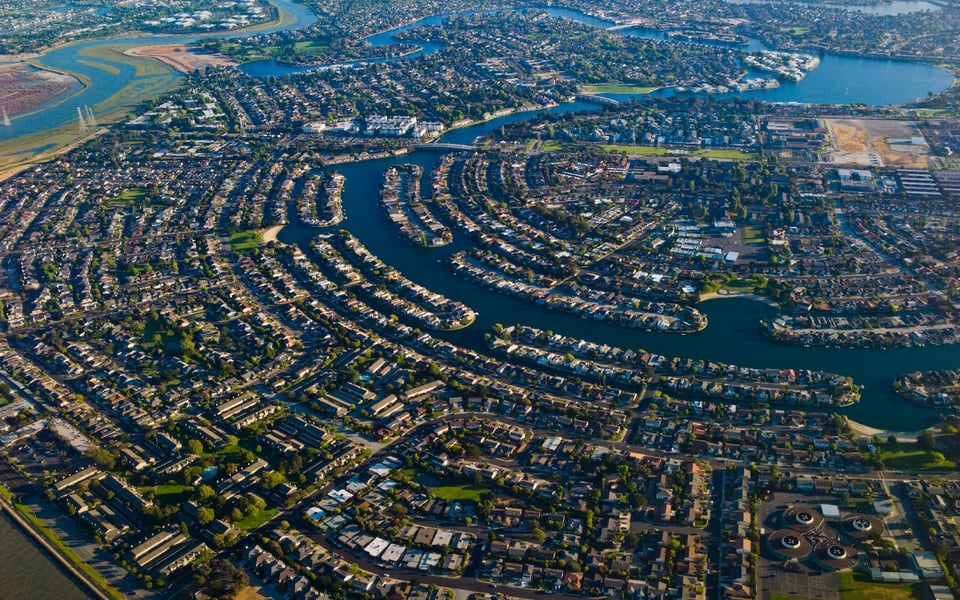
San Carlos combines a lively Laurel Street downtown with established residential neighborhoods, hillside homes, parks, local schools, and convenient Peninsula connections. Buyers exploring San Carlos homes for sale can compare classic bungalows, expanded single-family homes, renovated properties, view residences, condominiums, townhomes, and newer construction.
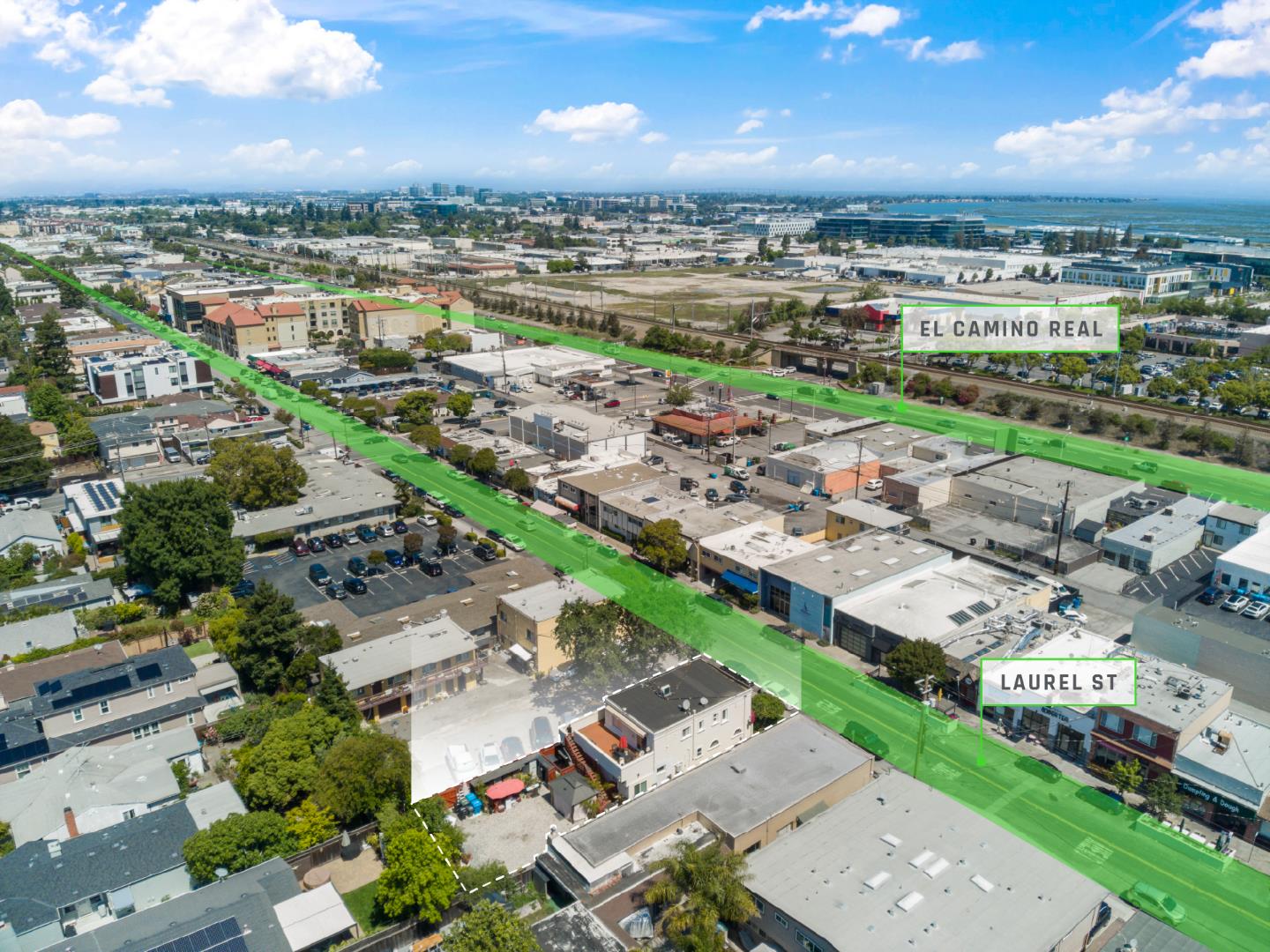
Known as the “City of Good Living,” San Carlos sits between Belmont and Redwood City in San Mateo County. Caltrain, Highway 101, Interstate 280, and El Camino Real connect residents with San Francisco, Silicon Valley, and neighboring Peninsula communities.
This guide explains San Carlos real estate, residential areas, transportation, schools, lifestyle, and the property details buyers and sellers should evaluate. When you are ready to compare active inventory, browse Bay Area real estate listings or contact Julie for a focused San Carlos home search.
94070Primary San Carlos ZIP code
CaltrainPeninsula rail service from downtown San Carlos
101 + 280Freeway connections on both sides of the city
Key Facts: San Carlos, California |
|---|
County | San Mateo County |
Location | On the San Francisco Peninsula, south of Belmont and north of Redwood City |
Primary ZIP Code | 94070 |
Regional Transit | Caltrain service from San Carlos Station, SamTrans routes, and nearby regional connections |
Major Roads | El Camino Real, Laurel Street, San Carlos Avenue, Holly Street, Brittan Avenue, Highway 101, and Interstate 280 |
Housing Profile | Single-family homes, hillside and view properties, bungalows, renovated and expanded residences, condominiums, townhomes, and newer construction |
Residential Character | Tree-lined neighborhoods transition from flatter streets near downtown to elevated western and canyon settings |
Downtown | Restaurants, boutiques, services, community events, and public gathering spaces centered around Laurel Street |
Public Schools | San Carlos School District serves local TK–8 schools; high-school service is generally through Sequoia Union High School District. Assignments must be verified by address. |
Outdoor Amenities | Burton Park, neighborhood parks, trails, open-space access, and nearby Peninsula recreation |
San Carlos Real Estate Overview
San Carlos real estate is shaped by limited inventory, neighborhood demand, downtown access, school boundaries, topography, and the condition of individual homes. Properties closer to Laurel Street and Caltrain may support a more walkable or transit-oriented routine, while homes farther west can offer quieter streets, larger lots, canyon settings, or wider Peninsula views.
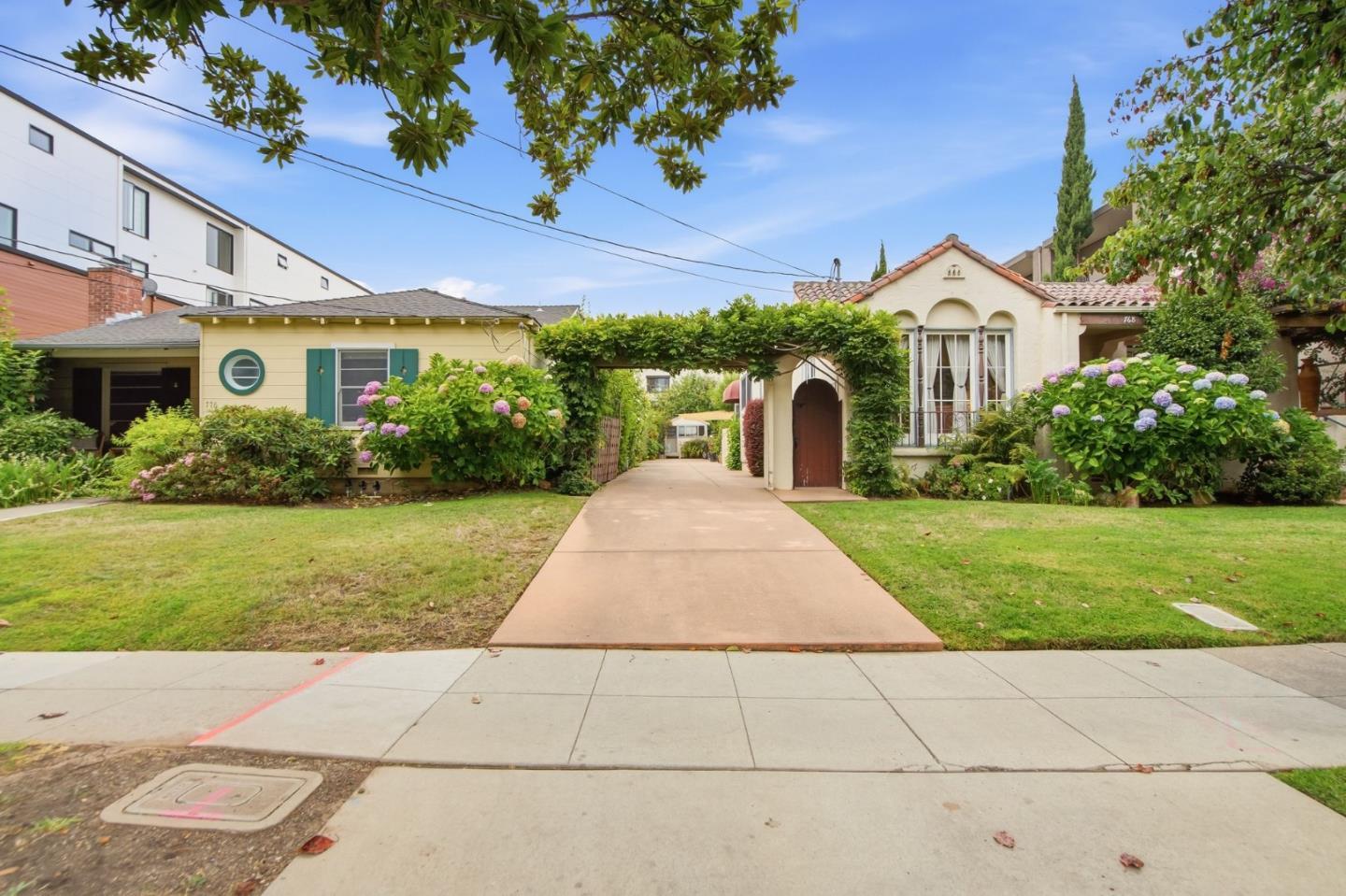
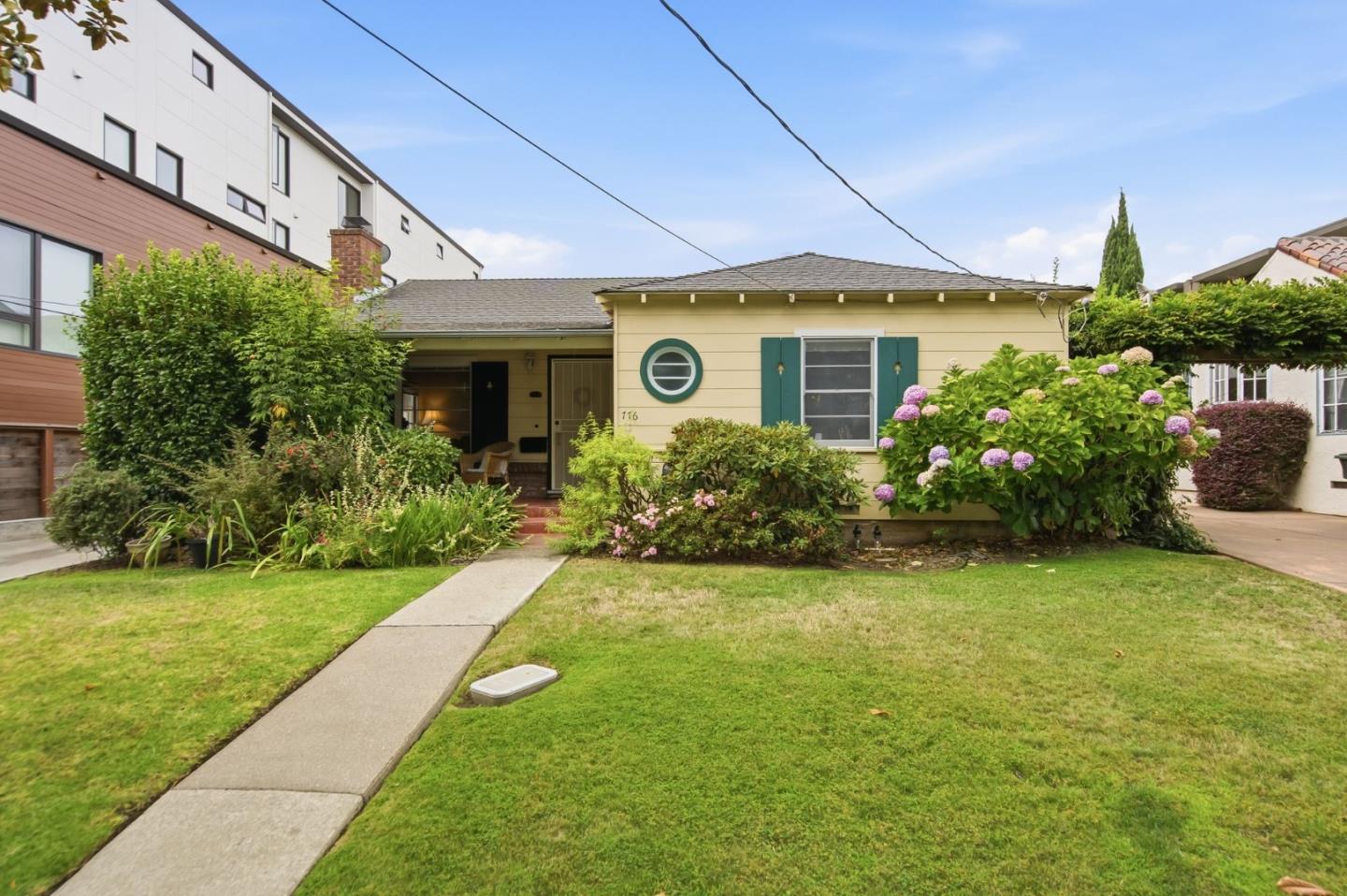
Much of the city's single-family housing was built across several decades. Buyers may encounter original bungalows, mid-century homes, thoughtful renovations, major additions, and custom newer residences on the same few blocks. Because age, construction history, lot conditions, and permit status can vary significantly, price per square foot alone is not enough to compare San Carlos homes for sale.
Local buying insight: The strongest San Carlos buying plan connects neighborhood, property condition, school assignment, commute needs, renovation scope, and long-term flexibility. A polished home and a project property may require completely different offer and due-diligence strategies even when they share a similar location.
Property Type | Market Character | What Buyers Should Evaluate |
|---|
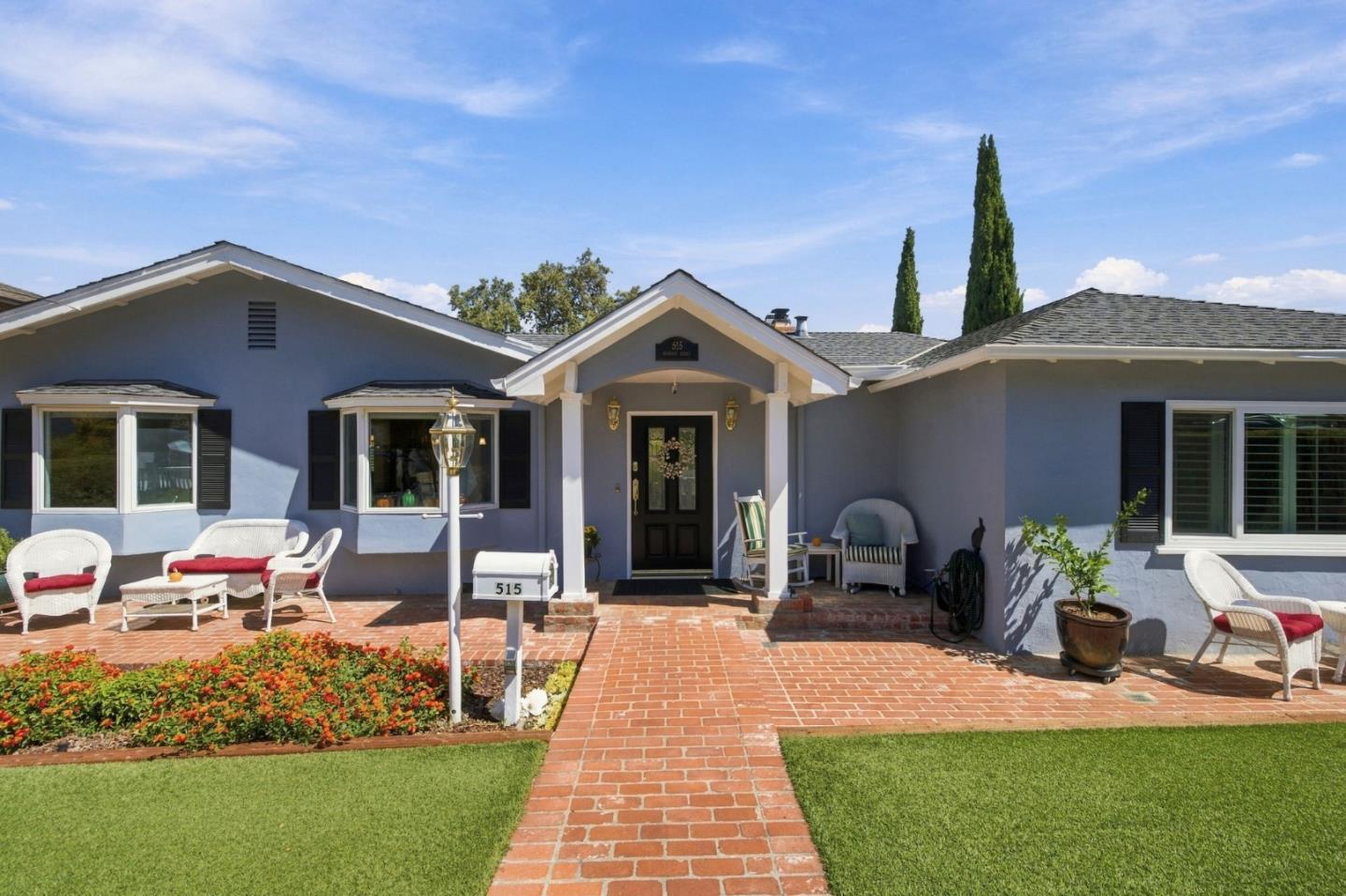
Single-Family Homes | Established homes range from compact bungalows to expanded and fully renovated residences on neighborhood lots. | Age, systems, permits, floor plan, parking, outdoor space, inspection findings, and realistic improvement costs. |
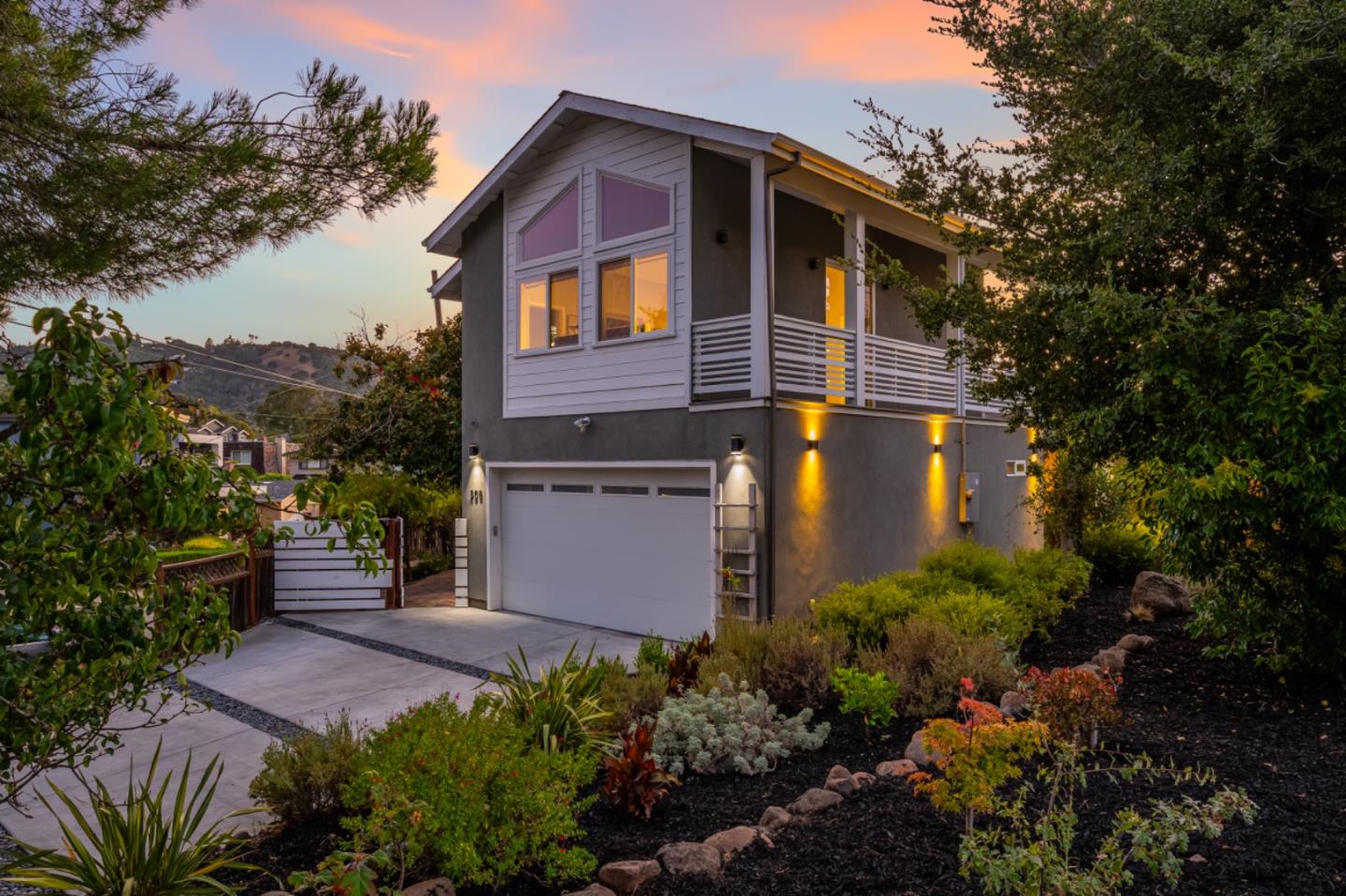
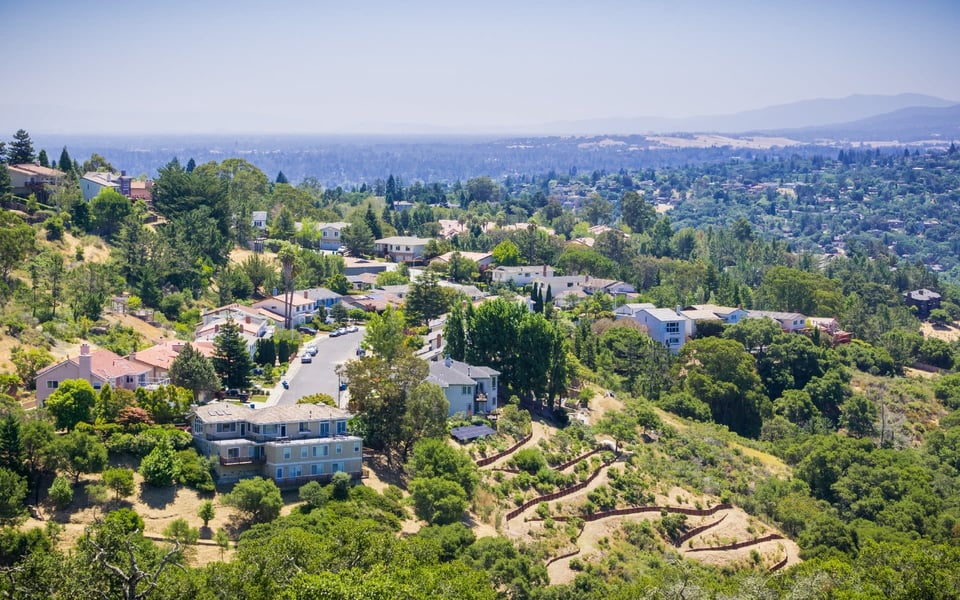
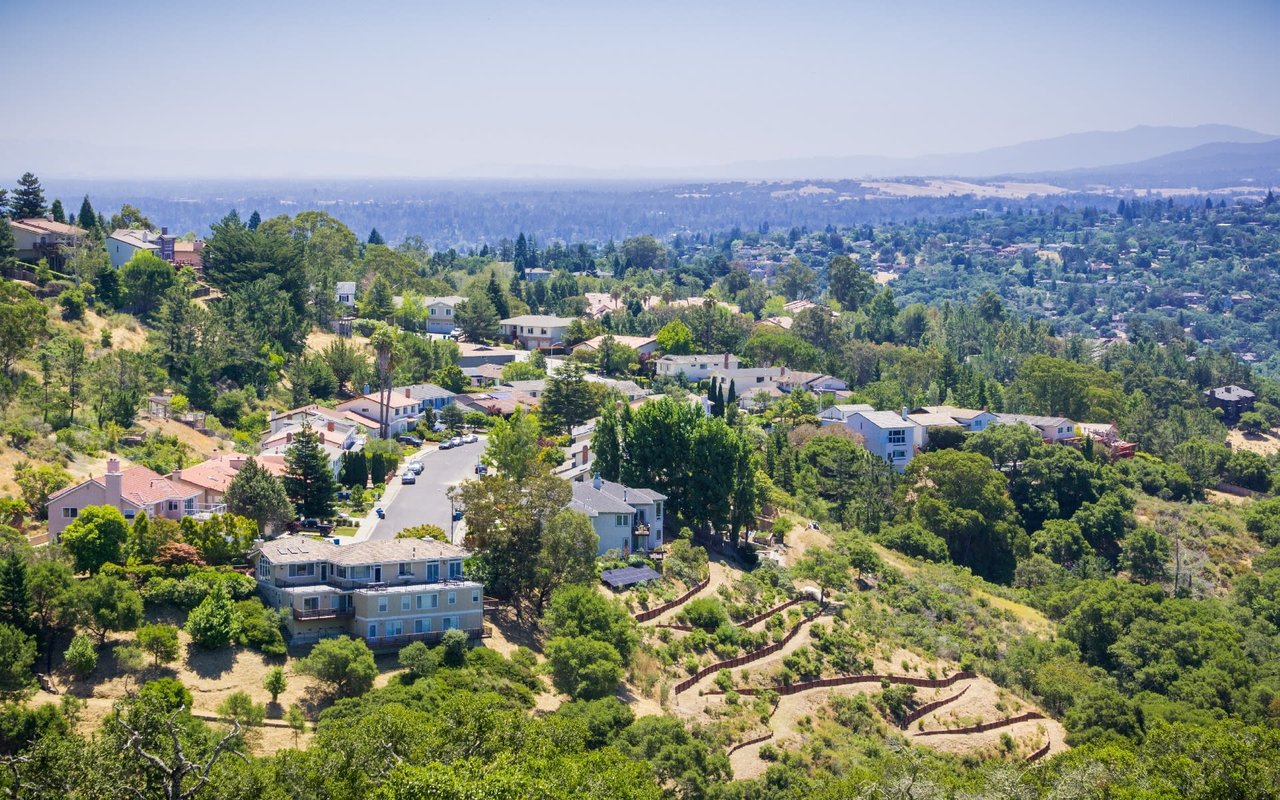
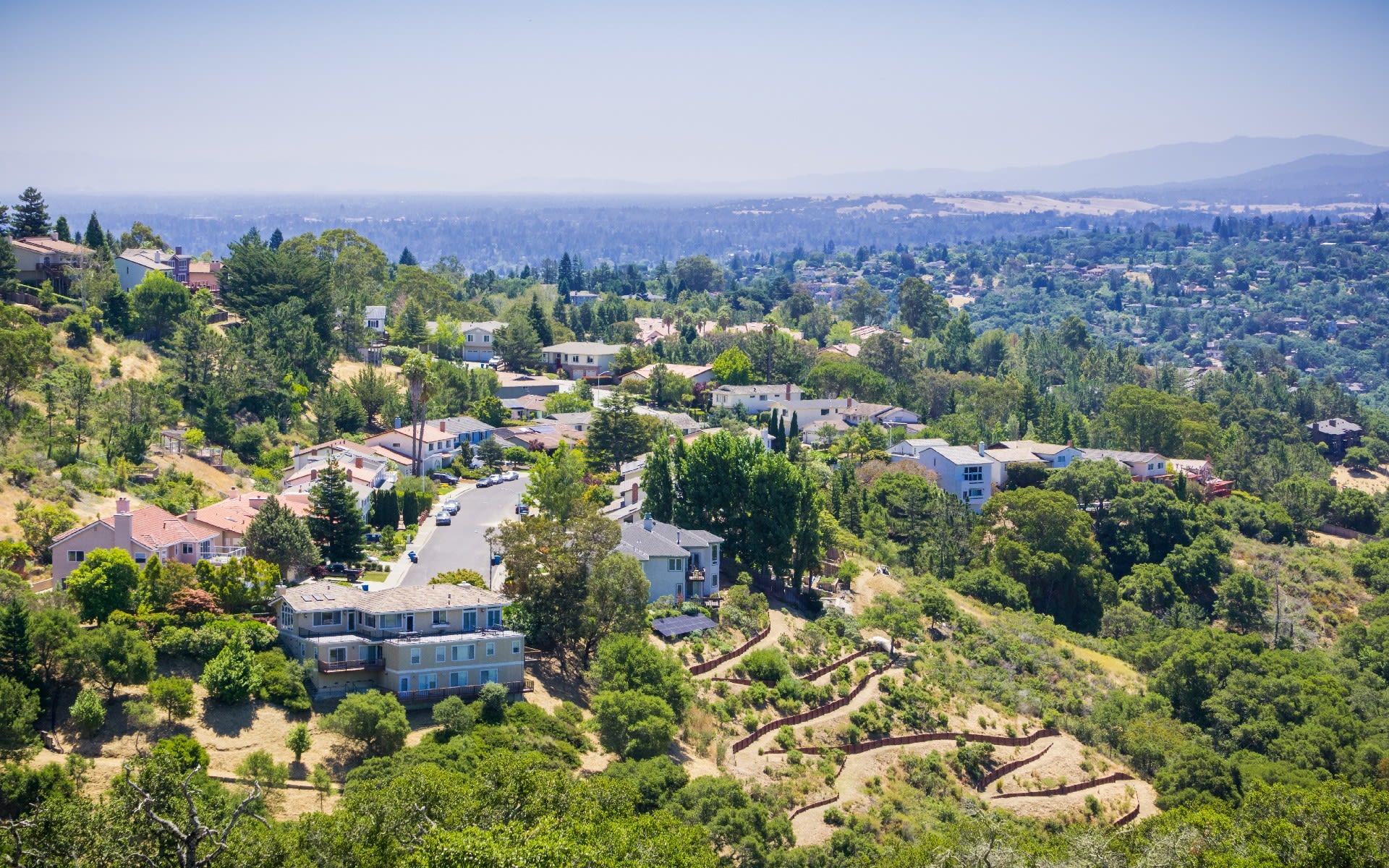
Hillside & View Homes | Elevated western neighborhoods can offer canyon, Bay, or Peninsula outlooks along with greater changes in grade. | Slope, drainage, retaining systems, foundation history, driveway access, insurance, and view orientation. |
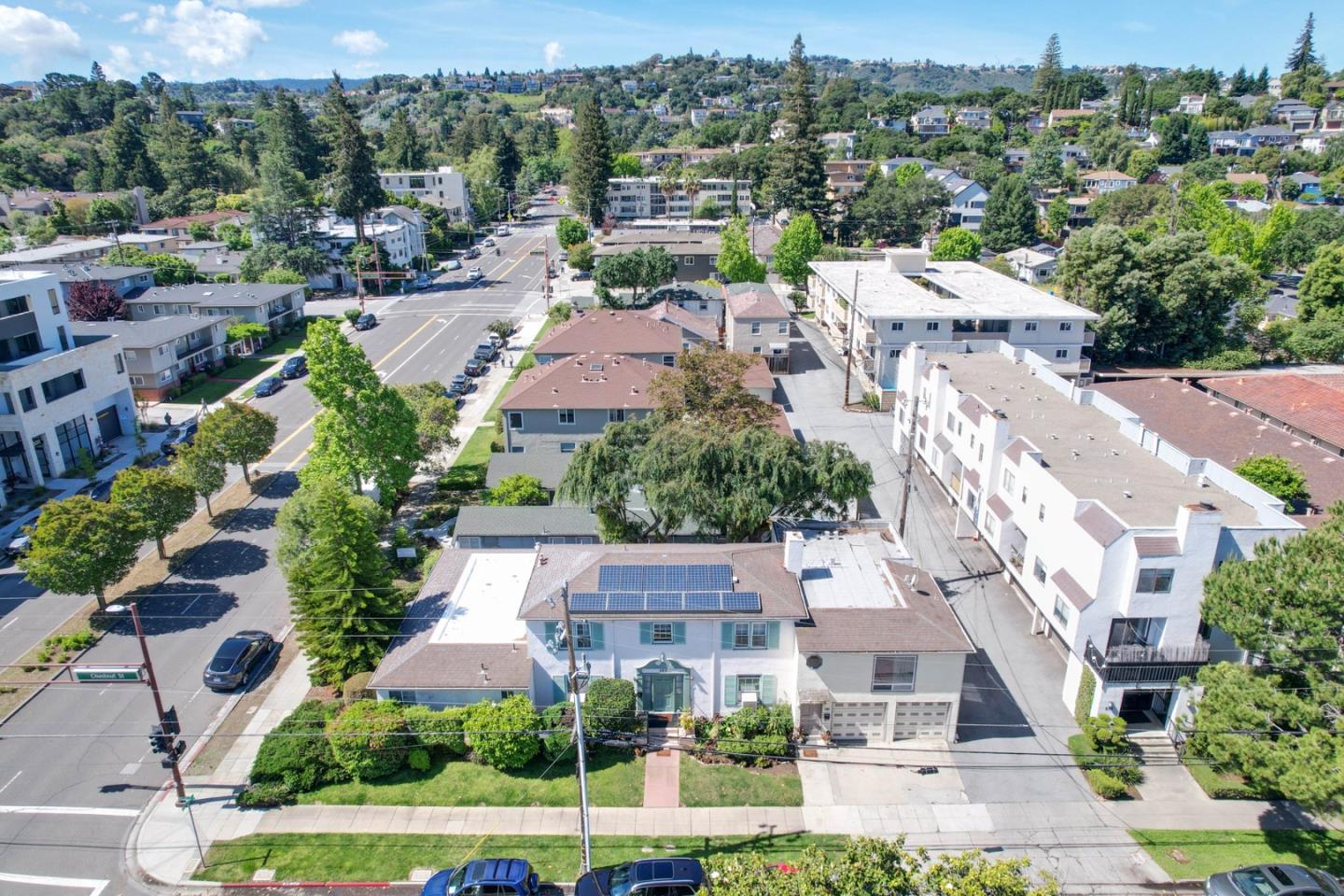
Condos & Townhomes | Attached homes may provide a lower-maintenance option near downtown, El Camino Real, or other central corridors. | HOA reserves, insurance, rules, parking, assessments, rental restrictions, sound transfer, and building condition. |
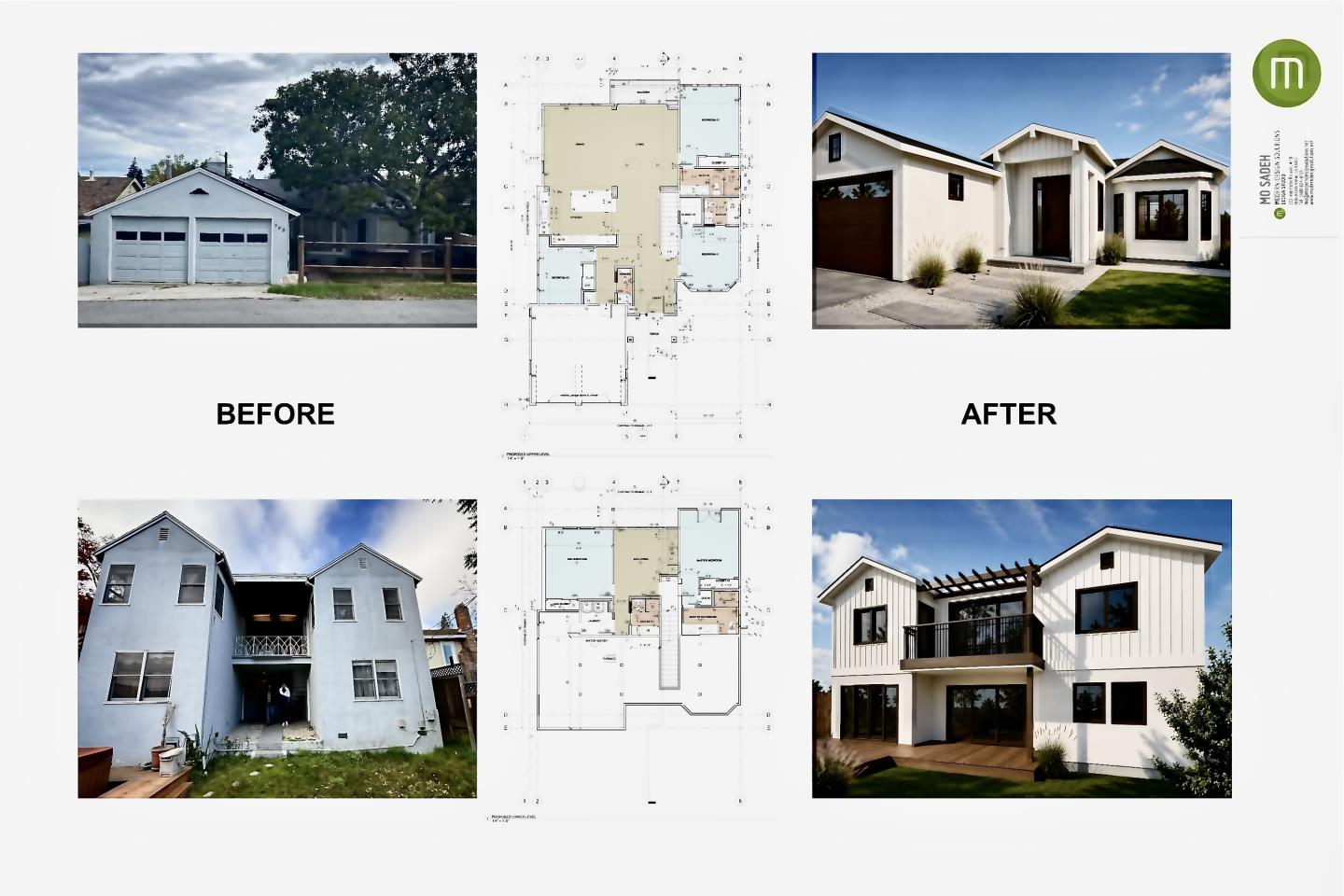
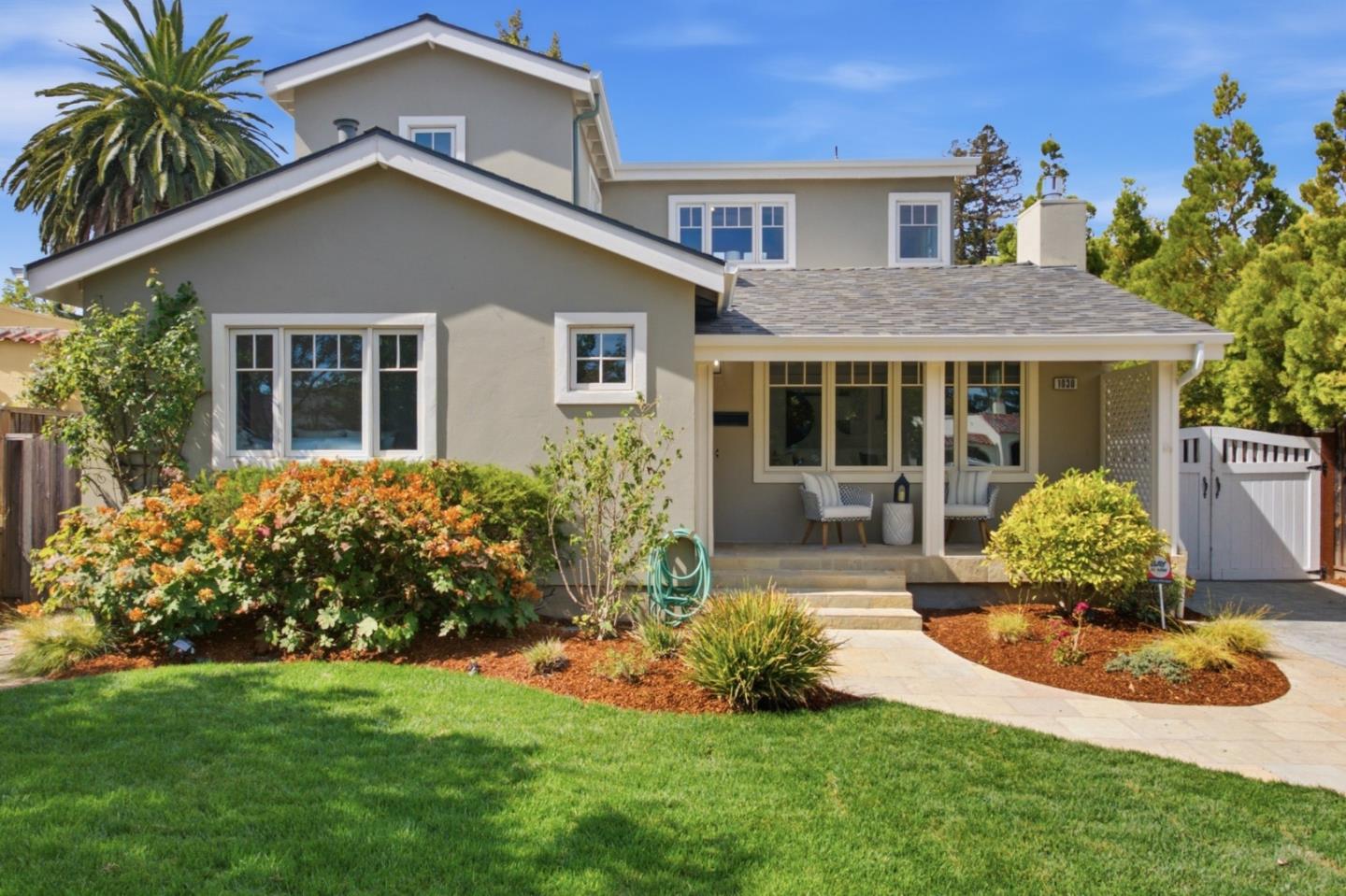
Renovated & Expanded Homes | Updated homes can offer modern layouts while retaining an established neighborhood location. | Permit history, construction quality, foundation and roof integration, warranties, energy systems, and finish durability. |
Renovation Opportunities | Original or partly updated properties may offer room to personalize, expand, or reconfigure a home. | Zoning, setbacks, protected trees, permits, layout feasibility, construction budget, financing, and project timeline. |
San Carlos Neighborhoods & Residential Areas
San Carlos contains a range of residential settings, and neighborhood names or boundaries may overlap depending on the source. Buyers should use the labels below as a starting point, then compare the specific block, topography, nearby uses, school assignment, and access that come with an individual property.
White Oaks
An established residential area known for tree-lined streets, classic homes, and convenient connections toward Laurel Street, El Camino Real, and neighborhood schools.
Howard Park & Oak Park
Central residential settings where buyers may prioritize access to parks, schools, downtown services, and the San Carlos Caltrain station.
Brittan Acres & Clearfield Park
Primarily residential areas with a mix of original, expanded, and renovated single-family homes and practical access across central San Carlos.
Beverly Terrace & Alder Manor
Elevated western neighborhoods where buyers may find larger homes, changing grades, and broader outlooks depending on the street and lot.
Devonshire Canyon & El Sereno
Hillside and canyon-influenced settings where privacy, trees, topography, drainage, access, and wildfire or insurance considerations deserve close review.
Downtown & Laurel Street
A connected setting near restaurants, boutiques, events, Caltrain, condominiums, townhomes, and nearby single-family neighborhoods.
What San Carlos Buyers Should Know
Property Due Diligence
- Review the roof, foundation, electrical, plumbing, drainage, heating, cooling, and other major systems.
- Confirm permits for additions, converted spaces, decks, retaining walls, and major remodels.
- For hillside or canyon homes, assess slope, drainage, retaining structures, access, and geotechnical history.
- Evaluate protected trees, lot usability, parking, outdoor space, setbacks, and future expansion potential.
- For attached homes, review HOA finances, reserves, insurance, minutes, assessments, and restrictions.
Location Due Diligence
- Visit at different times to understand traffic, rail, street, commercial, and aircraft noise.
- Compare the real route to Caltrain, Highway 101, Interstate 280, downtown, schools, and daily destinations.
- Verify public-school assignments directly for the specific property address.
- Review nearby zoning, construction, development plans, and commercial or industrial uses.
- Discuss natural-hazard, insurance, disclosure, and inspection questions with qualified professionals.
San Carlos includes flatter eastern streets, central neighborhoods, and elevated western terrain. Topography can affect views, drainage, foundation design, insurance, driveway access, outdoor usability, and renovation costs, so buyers should compare the physical property as carefully as the neighborhood.
Transportation & Peninsula Connections
San Carlos offers multiple ways to travel along the Peninsula. Caltrain serves the downtown station, SamTrans provides local and regional bus connections, Highway 101 runs along the city's eastern side, and Interstate 280 is accessible from the west. Actual travel time depends on destination, service schedule, traffic, and the property's location within San Carlos.
Destination or Connection | Primary Access | Real Estate Consideration |
|---|
San Carlos Station | Caltrain and nearby SamTrans connections | Homes near downtown may support a more transit-oriented routine; buyers should also evaluate rail and street activity. |
San Francisco | Caltrain, Highway 101, and Interstate 280 | Door-to-door travel varies by schedule, destination, traffic, parking, and distance from the station. |
Silicon Valley | Caltrain, Highway 101, and Interstate 280 | San Carlos can serve buyers whose work and daily routines extend south along the Peninsula. |
San Francisco International Airport | Highway 101, local roads, and Caltrain connections | Airport access is convenient, while aircraft exposure varies by property and operating conditions. |
Belmont & San Mateo | El Camino Real, local streets, Caltrain, and Highway 101 | Nearby shopping, dining, schools, healthcare, and recreation expand the broader lifestyle. |
Redwood City | El Camino Real, local streets, Caltrain, and Highway 101 | Employment, downtown amenities, and regional services are accessible immediately south of San Carlos. |
Laurel Street, Dining & Shopping
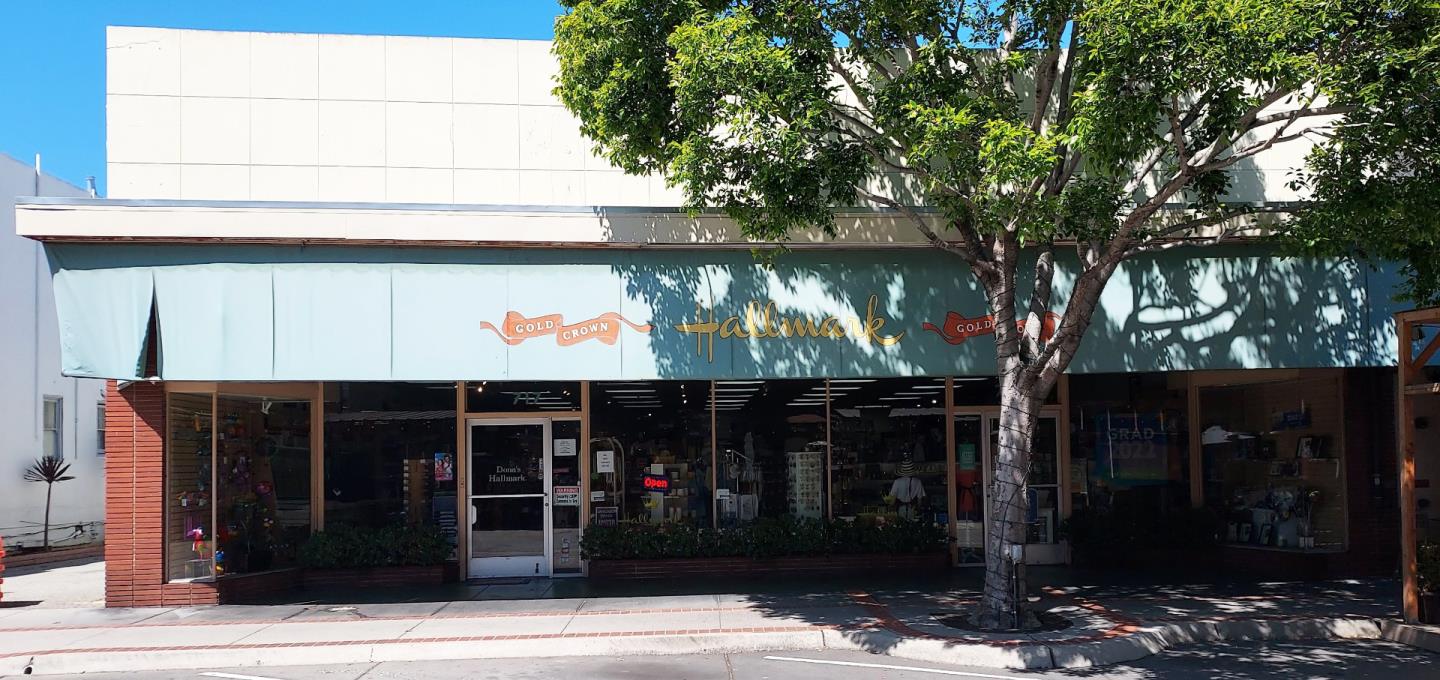
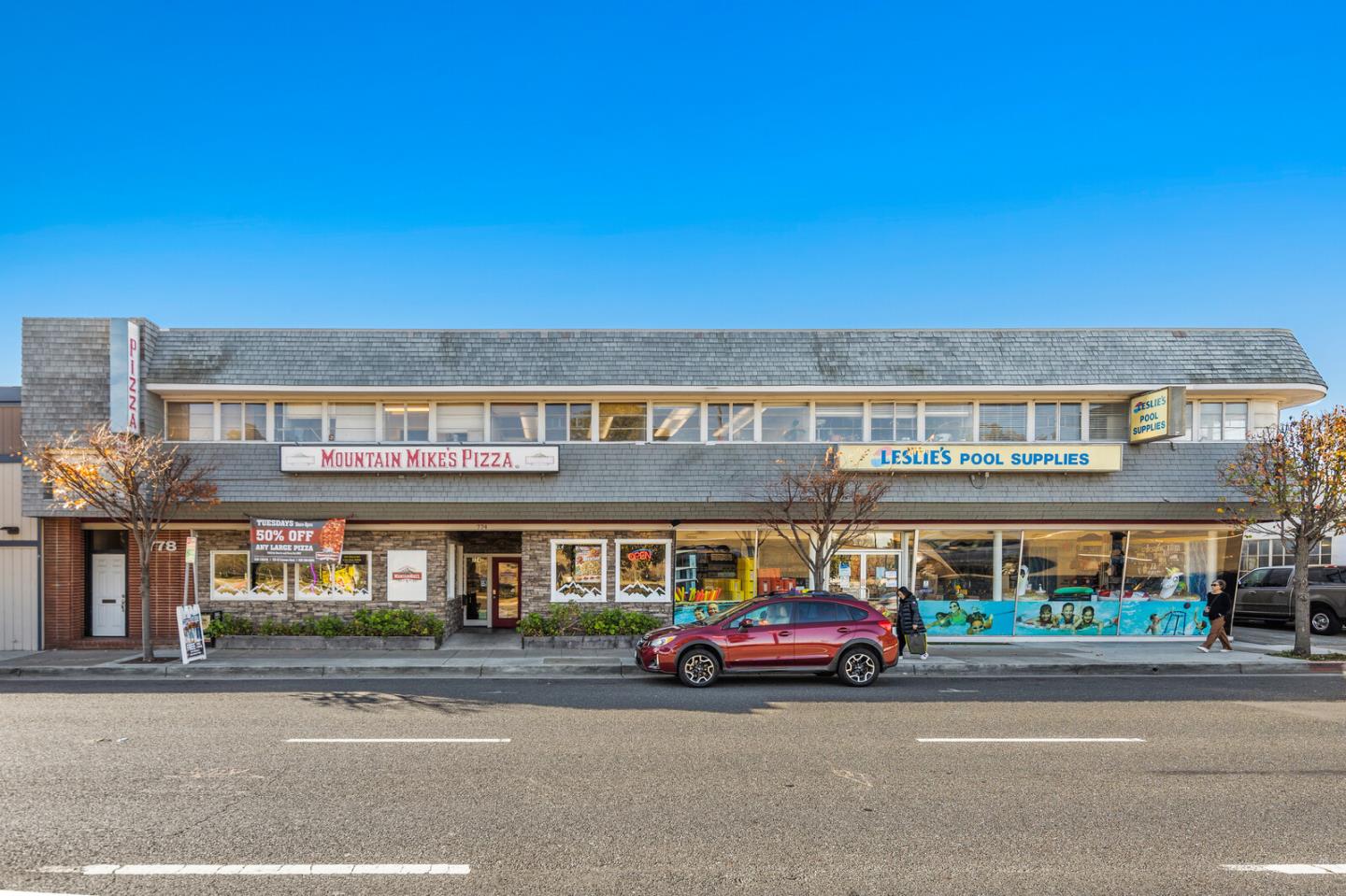
Downtown San Carlos is centered around Laurel Street, where local restaurants, boutiques, services, and public spaces create a walkable commercial core. The district's mix of long-running businesses and newer openings gives residents an everyday destination for meals, shopping, coffee, and community activity. Julie's local article, After the Closures, Laurel Street Got More Interesting, offers another perspective on the evolving downtown.
Local Shopping
Independent retailers contribute to downtown's neighborhood character. The original guide highlights JoeyRae among the Laurel Street boutiques.
Stamp Bar & Grill
Stamp Bar & Grill is a downtown dining option with an American-influenced menu and a neighborhood restaurant setting.
Pranzi
Pranzi offers Northern Italian food on Laurel Street. This corrected link replaces the unrelated website used in the old page.
Downtown Convenience
Restaurants, personal services, shops, events, and Caltrain are concentrated around a compact center, with walkability depending on the home's exact location and terrain.
Nearby Peninsula Options
Belmont, Redwood City, San Mateo, and other neighboring communities add more shopping, dining, entertainment, and professional services within the regional corridor.
Things to Do & Community Events
San Carlos combines parks, museums, annual events, and independently run gathering places. Burton Park is a central recreation destination, while the downtown calendar includes long-running community traditions that bring residents and visitors to Laurel Street and surrounding blocks.
Local History
The Museum of San Carlos History preserves exhibits, photographs, and stories connected with the city's development and community life.
Hiller Aviation Museum
The Hiller Aviation Museum explores aviation and flight through aircraft, exhibits, educational programs, and hands-on experiences.
Hometown Days
San Carlos Hometown Days is a volunteer-supported community tradition featuring activities, entertainment, food, and a parade.
Parks & Recreation
Burton Park and neighborhood parks support playground time, sports, picnics, community programs, and everyday outdoor recreation close to home.
History & Local Identity
San Carlos has a local history that reaches back well before its 1925 incorporation. Over time, the community developed from early Peninsula settlement into a compact residential city with a downtown, neighborhood schools, local businesses, and strong civic traditions. The phrase “City of Good Living” remains closely associated with San Carlos.
Residents and buyers who want a deeper historical view can explore the Museum of San Carlos History. Understanding the city's growth also helps explain the variety of housing found today: early bungalows, postwar homes, later additions, hillside construction, and newer infill can all appear within a relatively small area.
Schools & Education
The San Carlos School District operates local TK–8 schools, while public high-school service is generally provided through the Sequoia Union High School District. Attendance boundaries, enrollment rules, and programs can change, so buyers should verify assignments directly for the exact property address before relying on a listing or third-party website.
Original School Resources
Buyer School Checklist
- Verify the assigned elementary, upper-elementary, middle, and high school using the specific address.
- Confirm enrollment procedures, deadlines, transfer rules, and program availability directly with each district.
- Consider the daily route, transportation options, after-school needs, and future grade transitions.
- Do not rely only on a portal, listing, neighborhood name, or proximity to a school building.
Buying or Selling a Home in San Carlos
For San Carlos Buyers
A focused buying plan should compare the complete property: location, block, topography, condition, permit history, outdoor space, school assignment, transportation, and renovation needs. Julie can help you evaluate active San Carlos real estate listings, recent comparable sales, disclosures, inspections, and offer strategy.
Start by browsing current homes for sale, then narrow the search around the residential settings and property types that fit your priorities.
For San Carlos Sellers
Successful pricing starts with the exact details buyers will compare: neighborhood, street, lot, view, condition, upgrades, layout, parking, outdoor space, school assignment, and current competition. Preparation and presentation should be tailored to the individual home.
If you are considering a sale, request a personalized San Carlos home valuation informed by relevant nearby activity and the property's specific features.
Plan Your San Carlos Real Estate Move
Whether you are comparing San Carlos homes for sale or preparing to sell a local property, Julie can help you build a clear plan around the home, neighborhood, market, and your goals.
Frequently Asked Questions About San Carlos Real Estate
What types of homes are available in San Carlos?
San Carlos offers classic bungalows, established single-family homes, renovated and expanded residences, hillside and view properties, condominiums, townhomes, newer construction, and renovation opportunities. Age, lot size, condition, elevation, and style vary by neighborhood and street.
Is San Carlos real estate competitive?
San Carlos can be competitive because inventory is limited and buyers value its Peninsula location, downtown, neighborhoods, transportation, and schools. Competition changes with property type, condition, price, and available supply, so buyers should review current listings and recent comparable sales before forming an offer strategy.
Does San Carlos have a Caltrain station?
Yes. San Carlos Station serves Caltrain, and nearby SamTrans routes add local and regional connections. Commuters should review current schedules and compare the complete door-to-door route from a specific property.
What are some San Carlos neighborhoods and residential areas?
Recognized area names include White Oaks, Howard Park, Oak Park, Brittan Acres, Clearfield Park, Beverly Terrace, Alder Manor, Devonshire Canyon, El Sereno, and downtown or Laurel Street. Names and boundaries can overlap, so buyers should evaluate the specific property and immediate surroundings.
What should I inspect when buying a hillside home in San Carlos?
In addition to a general home inspection, buyers may need qualified professionals to evaluate drainage, retaining structures, foundation history, slope conditions, access, trees, roof and exterior systems, insurance considerations, and past permits or repairs. The appropriate inspections depend on the individual property.
Are there condos and townhomes for sale in San Carlos?
Yes. San Carlos has condominiums and townhomes, including options near downtown and central transportation corridors. Buyers should review HOA reserves, insurance, rules, assessments, parking, rental restrictions, sound transfer, and overall building condition.
Which school districts serve San Carlos homes?
The San Carlos School District operates local TK–8 schools, and public high-school service is generally through Sequoia Union High School District. Assignments and enrollment policies should always be verified directly using the exact property address.
How can I find out what my San Carlos home is worth?
A useful valuation should consider recent nearby sales, current competition, location, lot and view orientation, topography, condition, improvements, permit history, parking, and floor plan. You can request a personalized home valuation from Julie Flouty.
Explore the Peninsula
Julie Flouty's Bay Area Neighborhood Guides
Compare homes, lifestyles, and local real estate across Julie's core San Francisco Peninsula communities.
View All Bay Area Neighborhoods