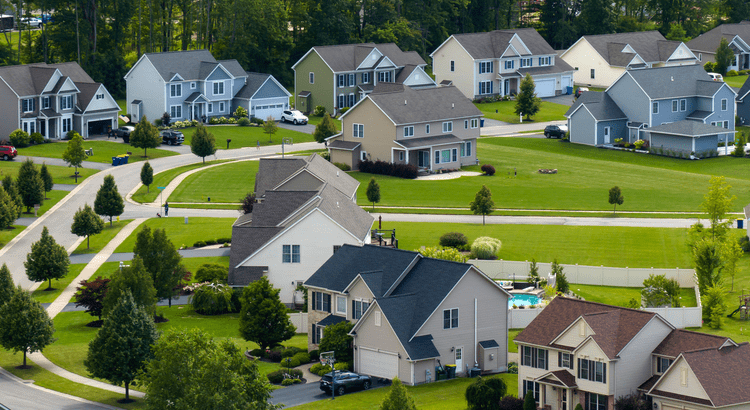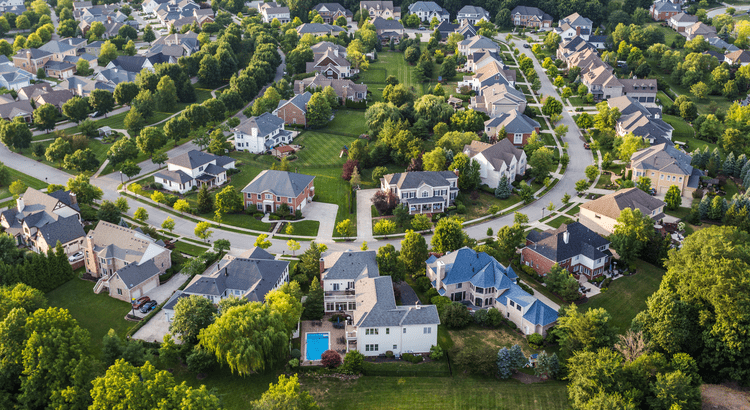
The lagoon gets the attention. It runs through the middle of the city, past the backyards and the docks, and it shows up in every description of what makes Foster City feel different from the rest of the Peninsula. The boathouse at Leo Ryan Park, the canals visible from the bike path, the still water catching the last light in the evening — residents know all of it.
The bay-side levee is something else entirely. It runs along the outer edge of the city, separating the residential neighborhoods from the tidal marshlands and San Francisco Bay, and it belongs to a trail network that stretches 500 miles around the entire bay. Most Foster City residents have never walked more than a few minutes of it. The Sequoia Audubon Society has documented over 165 bird species along it. Those two facts are related.
Two Systems, One City
Foster City sits on a modified peninsula. The interior is the lagoon system — 20-plus miles of canals threading through neighborhoods, calm water, intimate scale. The exterior is the levee, tracing the city's outer boundary from the southern tip of Marina Lagoon around the bay edge and north past the San Mateo-Hayward Bridge.
Foster City's section of the San Francisco Bay Trail begins at the southwest corner of the city where Marina Lagoon ends, then follows Belmont Slough east before curving north along the open bay. The two halves of this outer circuit feel nothing alike. Belmont Slough is sheltered, winding, and relatively quiet. The northern stretch above Shorebird Park is wide open, windy, and points directly at the East Bay hills across the water.
Entry points, each with parking or immediate street access:
- Port Royal Park — the southeastern entry, where Belmont Slough begins and the trail is most sheltered
- Shorebird Park — the central hub, with restrooms, a free outdoor fitness court, and direct Bay Trail access
- Bridgeview Park — the northern terminus near the Hayward Bridge, with designated accessible parking
- Foster City Dog Park — a low-competition parking alternative for the mid-levee section
- Sea Cloud Park — perimeter path connects directly to the levee trail heading north along the bay
The entire network was closed for several years during Foster City's levee improvement project, the largest infrastructure project in the city's history. All three phases reopened between March and October 2023. The path is now fully restored — paved asphalt, 14 feet wide, flat grade throughout, and accessible for strollers and wheelchairs at every section.
The Belmont Slough Half
Start at Port Royal Park and head southwest. Belmont Slough begins here as a narrow channel and gradually widens as it approaches the open bay. On one side of the trail: backyard fences, swing sets, the visible texture of a residential city. On the other: pickleweed and cordgrass marshes, egrets probing the water along the shoreline, the slough broadening into something that starts to feel less like a channel and more like an estuary.
This section runs roughly 4.8 miles out-and-back and takes between 90 minutes and two hours at a walking pace. The trail here curves rather than runs straight, which makes it feel less exposed than the bay-facing section to the north. At the southwest end, the blue Oracle Bridge connects Foster City to the Redwood Shores trail network — a connection that most residents don't realize exists. A pedestrian bridge over Highway 101 near the Belmont Sports Complex extends the route further south into Belmont if you want more mileage.
The Open Bay Half
The northern stretch, from Shorebird Park toward the San Mateo-Hayward Bridge and Bridgeview Park, is a different experience. The trail comes out of the slough's shelter and onto the open bayshore, where the wind arrives directly off the water and the views extend across to the East Bay. Near the bridge, the bay gets rougher — wind-driven waves breaking against the rocky shoreline on one side, the drone of Highway 92 traffic on the other.
Shorebird Park anchors this section. The 3.5-acre park sits directly on the Bay Trail and includes the only free outdoor bodyweight fitness circuit on this stretch of the levee — a full circuit training setup that requires no equipment and costs nothing. Restrooms are available here and at Bridgeview Park at the far northern end. The trail surface remains 14 feet wide and paved the entire length, which means this section works just as well for cyclists and runners as it does for walkers. Dogs are allowed throughout, on leash.
What Changes When the Tide Does
This is where the levee trail separates itself from every other walk in Foster City. The lagoon looks roughly the same at any water level. The bay edge does not.
At low tide, the mudflats along Belmont Slough and the shellbar near the bridge become exposed feeding grounds. Shorebirds spread across them in numbers that are genuinely surprising if you haven't seen it before. At high tide, the water rises and the birds compress onto the remaining dry surface, stacking in dense groups that are easier to observe from the trail.
The Sequoia Audubon Society's field guide identifies Foster City's shellbar near the levee as the best location in San Mateo County to see Red Knots and Black Skimmers — species that draw birders from well outside the Peninsula. The same guide documents Marbled Godwits, Long-billed Curlews, Whimbrels, Dunlin, Western Sandpipers, Willets, Dowitchers, and Black-bellied Plovers as regular visitors. Peak season runs September through April, but some species remain year-round.
| Tide condition | What you'll typically see | Best section to be on |
|---|---|---|
| Incoming, 1–2 hrs before high | Birds actively feeding on exposed mudflat edges | Belmont Slough, south of Shorebird Park |
| Just before or after high | Birds concentrated on shellbar near the bridge | Northern section, Shorebird Park to Bridgeview |
| Low tide, flat conditions | Egrets and herons spread across exposed mud | Belmont Slough entry from Port Royal |
| Early April | Breeding plumage on Black-bellied Plovers and Dunlin | Either section |
The best birding windows are the hour before and the hour after peak high tide. This is documented in the Audubon Society's site-specific guide for Foster City, which also recommends a spotting scope for the shellbar section — the birds are present in numbers, but the interesting species can be far from the trail edge.
How to Use the Whole System
The levee doesn't require a long commitment to be worth the drive from the lagoon side of the city. The Shorebird Park loop — starting at the park, walking north toward Bridgeview, then returning — is 3.9 miles and takes about an hour. Starting from Port Royal and walking the Belmont Slough section southwest to the Oracle Bridge is a similar distance with a different character. Either works as a standalone morning outing.
For a longer route, Foster City's levee pedway page describes a 12-mile loop that starts at the southern end of Marina Lagoon, follows the Bay Trail around the outer edge of the city, and returns via the lagoon path. By bicycle, that loop takes an hour to two hours. On foot, break it into sections on different days and use Sea Cloud Park or Shorebird Park as midpoints. The connecting path from Sea Cloud Park's perimeter trail to the levee heading north is easy to find and avoids any street crossings.
One practical note: the same road closures that apply during Summer Days in August affect Shell Boulevard between East Hillsdale and Bounty Drive. If you're planning a levee walk during that weekend, enter from Shorebird Park or the Foster City Dog Park rather than trying to reach the trail from the Leo Ryan Park side.
If you live in Foster City and have been walking the lagoon path for years without trying the bay edge, the two experiences are different enough that the second one doesn't feel like more of the same. It's an open, tidal, wildlife-facing route that happens to sit just outside the city's residential perimeter — and most of your neighbors haven't found it yet.
Questions about Foster City, or thinking about what comes next with your home? Julie Flouty is based on the Peninsula and knows this market closely. Let's connect.